



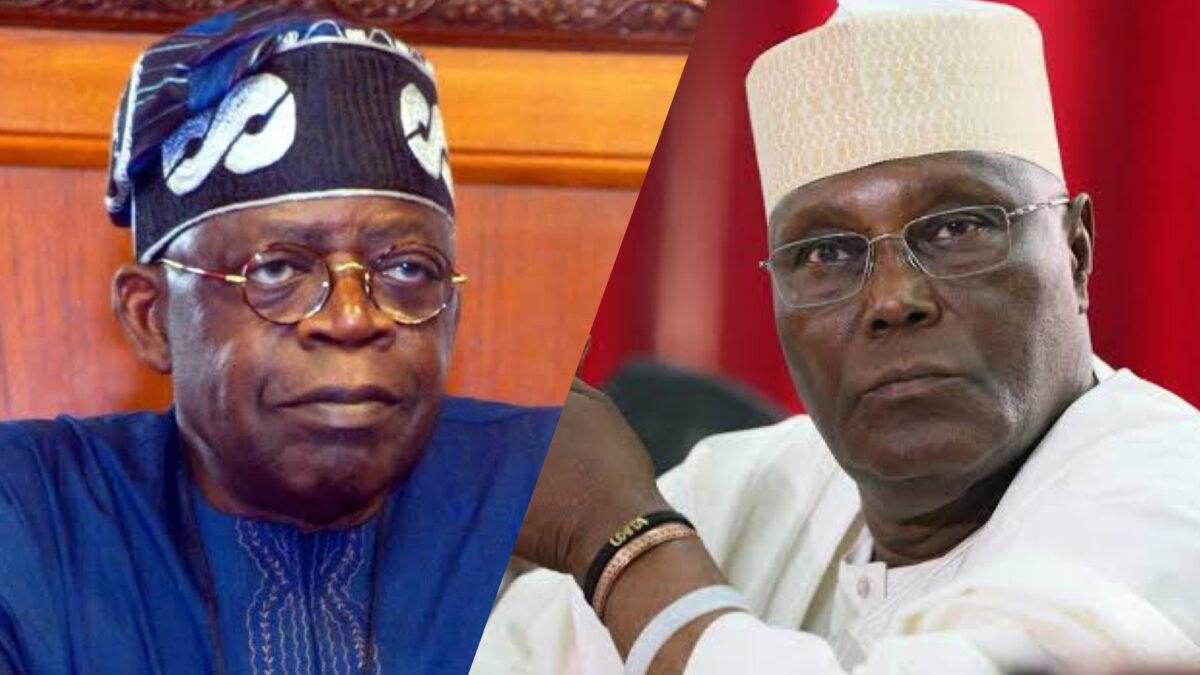
With fuel prices still shaping household budgets, transport costs and the wider cost of living, the debate over petrol subsidy has moved beyond economic policy into a major political contest ahead of the 2027 elections. HENRY DIYO examines the widening disagreement between President Tinubu and former Vice President, Atiku Abubakar, over whether Nigeria should maintain the current market-driven approach or introduce a new form of subsidy
The argument over Nigeria’s fuel subsidy has boiled over into a full political confrontation between President l Tinubu and former Vice President, Atiku Abubakar, quickly becoming one of the major issues likely to shape the race for the 2027 elections.
It all started when Tinubu scrapped the petrol subsidy on May 29, 2023.
Atiku now says that if he wins the election next year, he will introduce a new and more carefully controlled version of the subsidy.
Tinubu, however, remains firm on his decision.
He argues that the old subsidy regime was wasteful, riddled with corruption and draining the country’s finances.
Last week, while receiving Osun State Governor, Ademola Adeleke, at the State House, Tinubu described Atiku’s proposal as “a demonstration of serious ignorance on governance and the economy.”
He also argued that before the subsidy reform, many states struggled to pay workers’ salaries and pensions.
According to the President, the funds saved through subsidy removal have enabled states to meet their obligations and invest in roads, schools and hospitals.
The Presidency went further by describing Atiku’s new position as an “opportunistic recant,” reminding Nigerians that Atiku had supported subsidy removal in 2023. It also noted that the Petroleum Industry Act had already provided a framework for ending the subsidy.
The Tinubu administration argues that restoring the subsidy would undermine progress in local refining and return Nigeria to heavy dependence on imported petrol.
Atiku’s alternative subsidy proposal
Atiku and his team have rejected that characterisation. Through his spokesman, Phrank Shaibu, the former Vice President insists that he is not proposing a return to the old, uncontrolled subsidy regime on imported petrol.
Instead, he advocates a limited and tightly regulated support system aimed at helping Nigerian refineries produce fuel locally, a model he describes as “the subsidy will follow the barrel.”
Atiku also argues that Tinubu did not completely eliminate the subsidy but merely transferred its burden to ordinary Nigerians.
He cited NNPC figures indicating that the company spent about ₦4.84 trillion on energy-security costs in 2023 and approximately ₦7.13 trillion in 2024.
When other under-recoveries are included, Atiku puts the total at nearly ₦17.5 trillion.
“You cannot abolish subsidy at the podium and resurrect it in the accounts under an alias. Nigerians do not eat semantics,” he declared.
He further accused the government of favouring major oil companies through tax breaks and incentives while leaving ordinary Nigerians to bear the full impact of market-driven fuel prices.
According to Atiku, “Tinubu removed the subsidy from Nigerians’ pockets, but he is yet to remove the questions from his books. The real ignorance is believing suffering is economic policy.”
The cost-of-living question
At the heart of the dispute is the economic hardship Nigerians have experienced since the subsidy was removed in 2023.
Petrol prices rose sharply, transport costs increased and the prices of food and other essential commodities followed.
Supporters of the policy argue that states now receive more revenue and have greater capacity to provide services and execute development projects, while critics maintain that ordinary Nigerians have seen little tangible benefit.
With the 2027 campaigns already under way, the subsidy debate has become a major campaign issue.
Atiku is presenting his proposal as part of a broader plan to strengthen local refining, improve public transportation and return more purchasing power to Nigerians.
Tinubu’s camp, on the other hand, warns that reversing the reform would squander the fiscal gains already achieved and reopen the door to waste and corruption.
Ultimately, the dispute is not simply about whether petrol should be cheaper.
It is about who bears the cost and who benefits from Nigeria’s fuel policy.
For millions of Nigerians still struggling with high prices, the real test of either man’s argument will be reflected not only in policy statements but also in what happens at the petrol pump, in public transport and in the markets in the years ahead.