


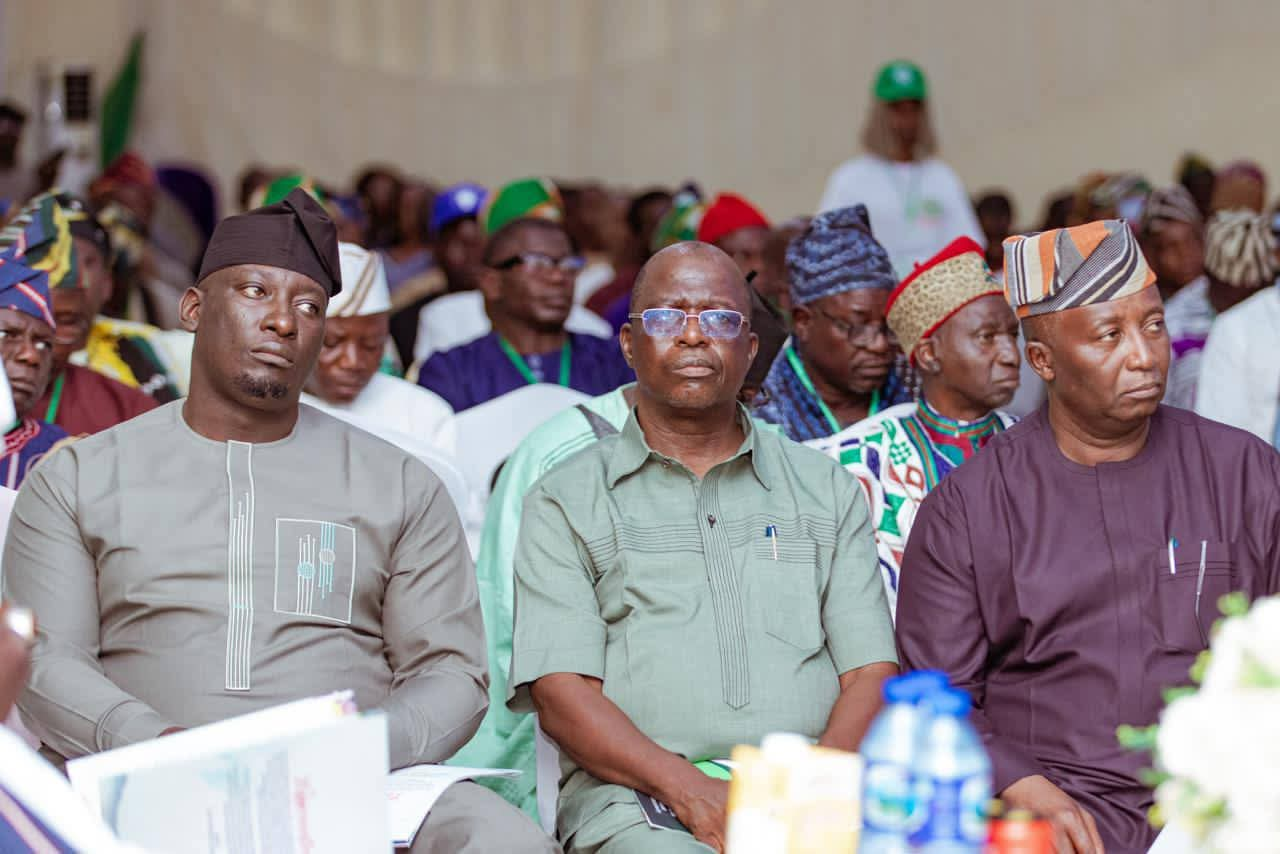

MARIE-THERESE NANLONG examines the concerns and proposals emerging from the 2026 Plateau Initiative for Development and Advancement of the Natives(PIDAN) retreat in Jos where leaders argued that lasting peace will depend on confronting the divisions that have held the state back and building a shared sense of purpose
For a state that has endured decades of violence, displacement and mistrust, building a united Plateau cannot remain a slogan, stakeholders at the 2026 Plateau Initiative for Development and Advancement of the Natives (PIDAN) retreat in Jos have agreed.
They said the task requires confronting the divisions that have kept communities apart, restoring trust, ensuring justice and creating opportunities that allow people to live, farm, trade and raise their children without fear.
During the two-day event, held on August 20 and 21 in Jos, community leaders and other stakeholders proposed ways of restoring lasting peace and promoting sustainable development across the state.
Confronting Plateau’s ‘inconvenient truths’
Delivering the keynote address, Professor Dakas Dakas challenged Plateau leaders and citizens to confront what he described as the state’s “inconvenient truths” and examine their individual roles in perpetuating its divisions.
Speaking on the theme, ‘Building a United Plateau, Harnessing Our Diversity and Mineral Wealth for Sustainable Peace and Development’, Dakas said the choice of the word ‘building’ was deliberate because it implied sacrifice, planning and determination.
“You don’t build by complaining or by sitting on the sidelines. Are we prepared to make the effort to build a united Plateau? And what exactly are we prepared to sacrifice?” he asked.
Dakas identified ethnicity, religion, identity politics, competition over land and the manipulation of differences as factors that have continued to divide the state, but argued that a deeper problem was the failure to develop a strong sense of Plateau citizenship.
“Are you part of the problem, or are you part of the solution?” he further asked.
For Dakas, the violence that has affected communities in Mangu, Riyom, Bassa and other parts of the state should not be regarded as somebody else’s problem, as he urged stakeholders to “look at the man in the mirror before you start blaming other people.”
He warned that indifference to attacks in one community would eventually affect others, stressing the need for collective responsibility in confronting insecurity.
He also cautioned that unity, on its own, was not necessarily beneficial, drawing from the Biblical account of the Tower of Babel.
“People can unite around corruption. People can unite around exclusion. The question is, what will Plateau unite around?”
He said the answer should be sustainable peace and development, stressing that the state did not need a peace defined by silence and fear.
“We do not want the peace of the graveyard. We want peace where farmers can farm, children can go to school, and investors have confidence. Peace is an enabler of development,” he maintained.
With 56 ethnic groups in Plateau, Dakas urged residents to see their diversity as an asset rather than a weapon, asking, “How do we move from merely tolerating one another to actually valuing one another?”
Drawing on his political experience and that of his family, he explained how ethnic identity could be used to define people and determine their opportunities.
“The lesson is not that ethnicity ceases to matter. It is how we manage it, whether we deploy it as an asset or as a weapon,” he said.
On the question of resources, Dakas described Plateau’s mineral wealth as both an opportunity and a challenge, asking who owns the resources, who grants licences, who benefits and who bears the environmental costs.
Citing reports of more than 4,000 abandoned mining ponds in the state and allegations of unregulated extraction in Wase, he warned that mineral wealth could fuel conflict rather than development if it was not properly governed.
“The objective must be to convert mineral wealth into human development,” he stated.
Dakas called on PIDAN to establish a Peace and Development Programme for research and advocacy, work with the University of Jos to establish a Centre for Middle Belt Studies and honour the late Joseph Gomwalk.
He also advocated the establishment of a standing inter-ethnic dialogue and reconciliation council, the launch of a Youth Leadership and Entrepreneurship Programme, and the promotion of an annual cultural and economic festival.
Peace must mean more than silence
Also speaking on ‘Promoting Peaceful Coexistence Through Unity in Diversity‘, former Director-General of the Plateau Peace Building Agency, Joseph Lengmang, pointed out that peace should mean more than the absence of gunfire.
He said it should mean that farmers could sleep without taking turns to keep watch, children could attend school without fear of displacement and displaced families could return home safely and voluntarily.
“Unity and development are the two wheels of the same bicycle. Remove one, and Plateau cannot travel very far into the future,” he said.
Lengmang recalled the numerous attacks and killings recorded in different communities across the state, stressing that the victims were more than statistics.
“These are not merely pictures. Every victim had a name, a family, an unfinished plan,” he said.
He described violence as “a thief with many hands” that takes lives, closes farms, empties markets and steals hope, adding that “young people now know checkpoints better than libraries”.
Lengmang said any serious peace conversation in Plateau must also address the strained relationship between indigenous communities and sections of the Fulani population.
He acknowledged that indigenous communities had legitimate fears arising from repeated attacks, displacement, destruction of ancestral settlements and encroachment on farmland, but warned against treating an entire ethnic group as responsible for violence.
He rejected what he described as “negative peace” built around fear, silence and repeated official statements, arguing that condemnation alone could not protect communities.
Lengmang said continued displacement was evidence that the problems that forced people from their homes remained unresolved.
He called for attackers to be arrested, prosecuted and punished, victims supported, land disputes credibly resolved and security personnel held accountable for negligence.
For former PIDAN President, Aboi Madaki, citizens also had a role to play in promoting peace and security through early warning and vigilance, dialogue, interfaith collaboration, youth empowerment, civic engagement, and the fight against misinformation and hate speech.
He said 360 attacks resulting in 823 deaths were documented between 2010 and 2014, with 2013 alone recording 146 attacks and 276 deaths.
From mineral wealth to shared prosperity
Earlier, Governor Caleb Mutfwang explained that his administration remained committed to securing Plateau, while lamenting that the state had not benefited adequately from the resources extracted from its soil.
He pledged reforms to organise artisanal miners, audit licences and leases, improve benefits to host communities and promote responsible mining.
The governor’s position echoed a central concern raised at the retreat: that Plateau’s natural resources should become a foundation for broad-based development rather than another source of competition, environmental degradation and conflict.
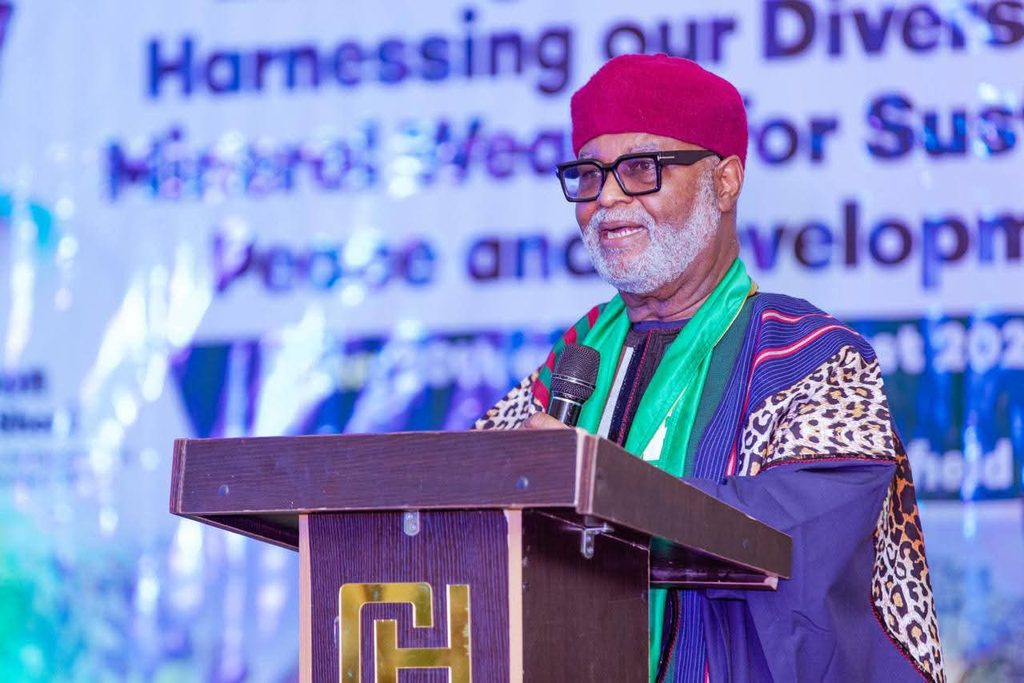
PIDAN President, Ambassador Nanpon Sheni, assured participants that the organisation remained committed to preserving its legacy while strengthening it for future generations.
Sheni said PIDAN would continue promoting unity, community development, youth empowerment and Plateau’s cultural heritage through dialogue, advocacy, research and constructive engagement.
He added that the organisation’s responsibility was not only to preserve the legacy of its founding leaders but also to strengthen the institution for future generations.
The message from the retreat was clear: Plateau cannot build sustainable peace while communities remain divided and citizens feel excluded from the state’s opportunities and resources.
Stakeholders therefore called for a renewed commitment to building “one Plateau, united in purpose, prosperous in opportunity and secure in peace.”