



From HENRY DIYO, Abuja
On a prickly Monday morning at the Shehu Musa Yar’Adua Centre in Abuja, Nigeria’s opposition parties are trying to work out whether they can finally stick together.
The G-100 group is holding its first summit of opposition parties today. The goal is simple: to find a way for the main opposition groups to cooperate ahead of the 2027 elections instead of splitting their votes as they did in 2023.
Salihu Lukman, who used to head the Progressives Governors Forum and now leads G-100, says a divided opposition keeps helping the government stay in power. When parties that should be on the same side fight among themselves, the ruling party wins.
“Division is a choice. Cooperation must now become a strategy,” the group said before the meeting.
The parties invited include the African Democratic Congress (ADC), where former Vice President Atiku Abubakar is the presidential candidate; the Nigeria Democratic Congress (NDC), led by former Anambra governor Peter Obi; the Social Democratic Party (SDP); the Peoples Redemption Party (PRP); the Allied Peoples Movement (APM); and the Peoples Democratic Party (PDP).
National chairmen, party executives, presidential candidates and some opposition lawmakers are expected to attend.
So far, the responses have been mixed, as the SDP has confirmed that its leaders and presidential candidate, Prince Adewole Adebayo, will be there. The PRP says it is coming too.
The PDP has sent mixed signals. One of its caretaker spokesmen called any talks held without the party “dead on arrival”, though other opposition voices seem more open. The Labour Party has mostly stayed away.
Searching for a common strategy
G-100 is not trying to pick a single presidential candidate today. The plan is to set up working groups that will spend about four weeks putting together practical agreements on how the parties can work together while still keeping their own identities and ambitions.
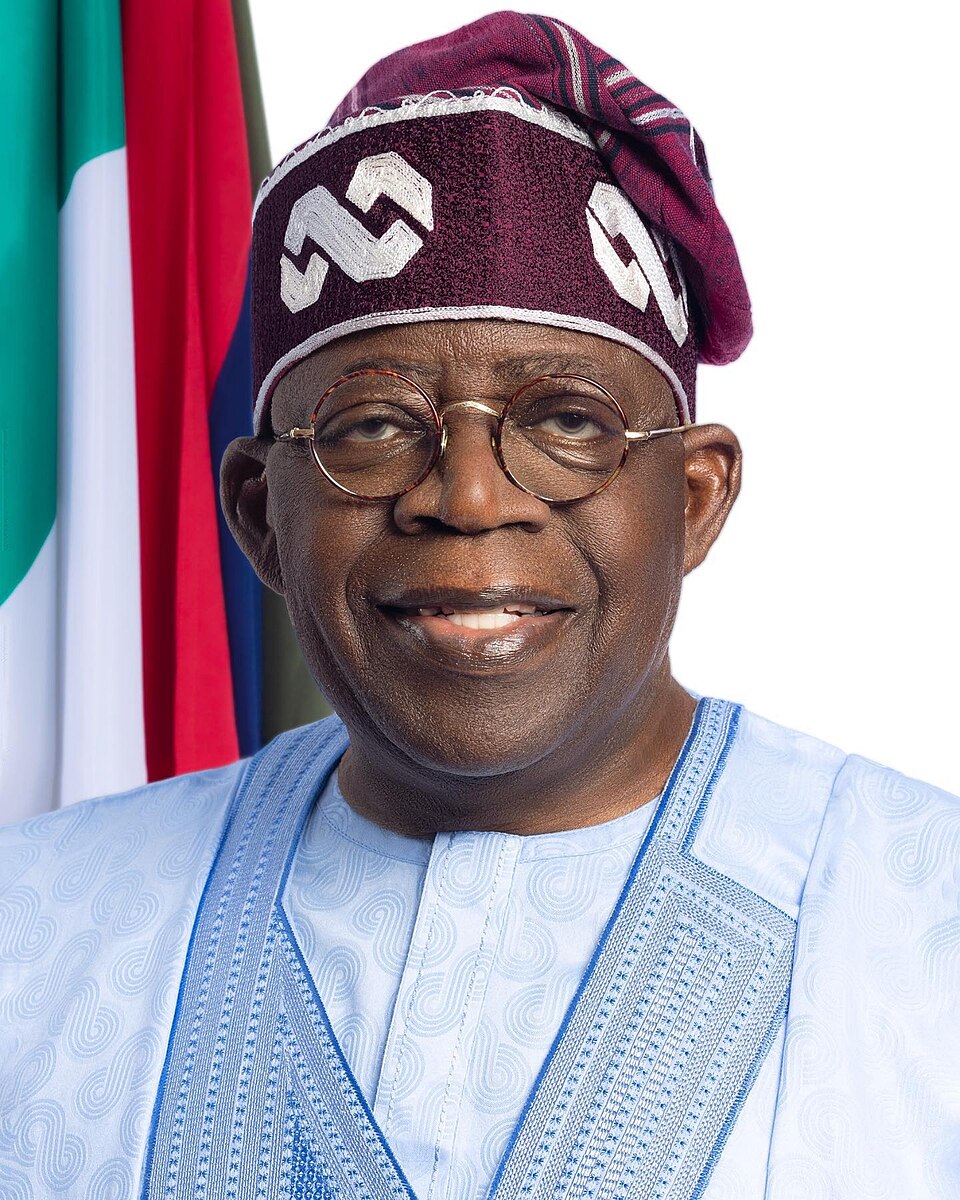
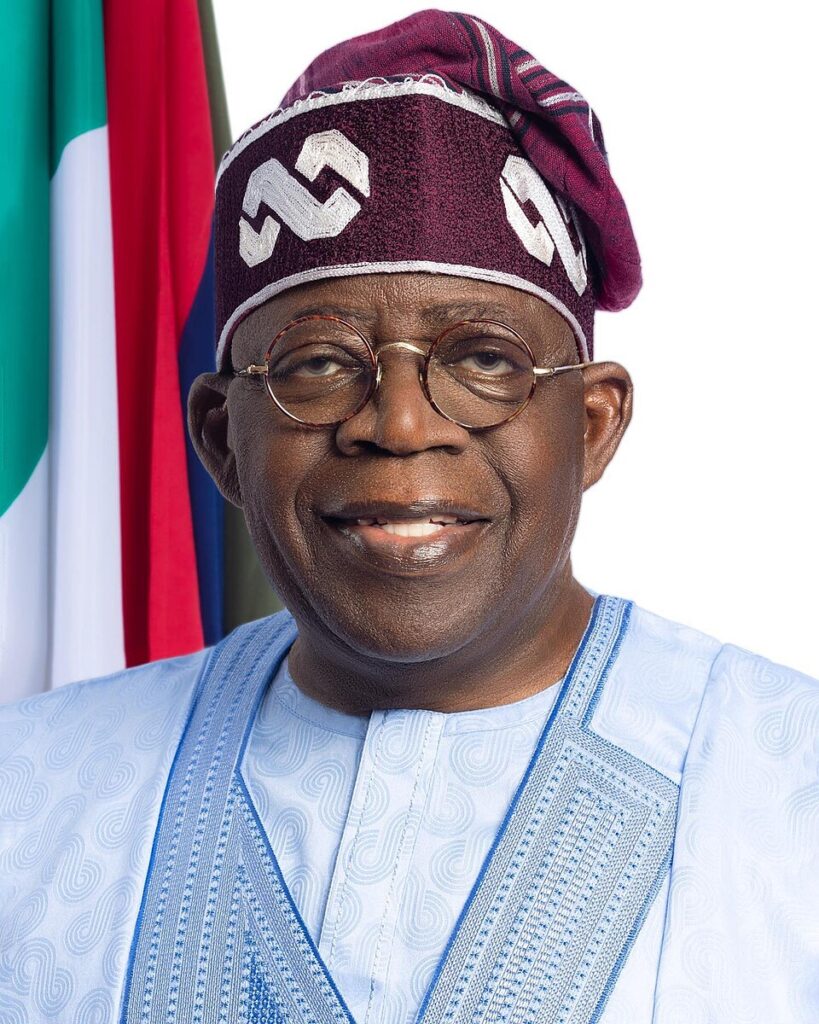
The timing makes strategic sense. Official campaigning for the 2027 elections started in mid-August. President Bola Tinubu’s APC goes into the race with most of the state governors, strong organisation and the advantages of being in power.
Tinubu left Abuja on Sunday for a three-week working break in Europe. The Presidency says he needs the rest before the heavy campaign season. Critics say the timing is tone-deaf, given the country’s economic problems, while his supporters call it normal.
For the opposition, the 2023 election still rankles in their hearts. Votes split between Atiku, Obi and others helped Tinubu win.
Lukman and G-100 keep warning that the same mistake next year would make it much harder to unseat a well-funded ruling party. They earlier published a document called the “Doctrine of a Necessary Democratic Opposition”, which argues for working together without forcing parties to merge.
Test of unity ahead 2027
Outside the centre, reactions are predictable. APC supporters say the opposition will never agree on who should lead the ticket.
Inside the opposition, the real problem remains: everyone wants unity, but the big names still have their own ambitions. Atiku and Obi bring different strengths and different regions. Figuring out how to work with that without losing their supporters is the hard part.
By the end of the day, it will be known whether the meeting produces real working groups and a clear plan, or just another set of polite statements.
However, one thing is already clear: the opposition has decided that competing against each other is a luxury it can no longer afford if it wants a real shot at 2027.
The doors at the Yar’Adua Centre opened this morning on that gambit. What happens next will show whether shared frustration can turn into real coordination or whether the old habit of division will decide the next election again.