



By CHRISTIAN BISKA
Democracy has been adjudged as the best form and system of government by many nations of the world. This is because it is a system of government in which, by definition and practice, power is vested in and belongs to the people, that is, the electorate. They exercise this power either directly or through their elected representatives.
The term is derived from the ancient Greek words demos, meaning people, and kratos, meaning rule or power. This indeed suggests the nature of the system of government and explains the term used to describe it.
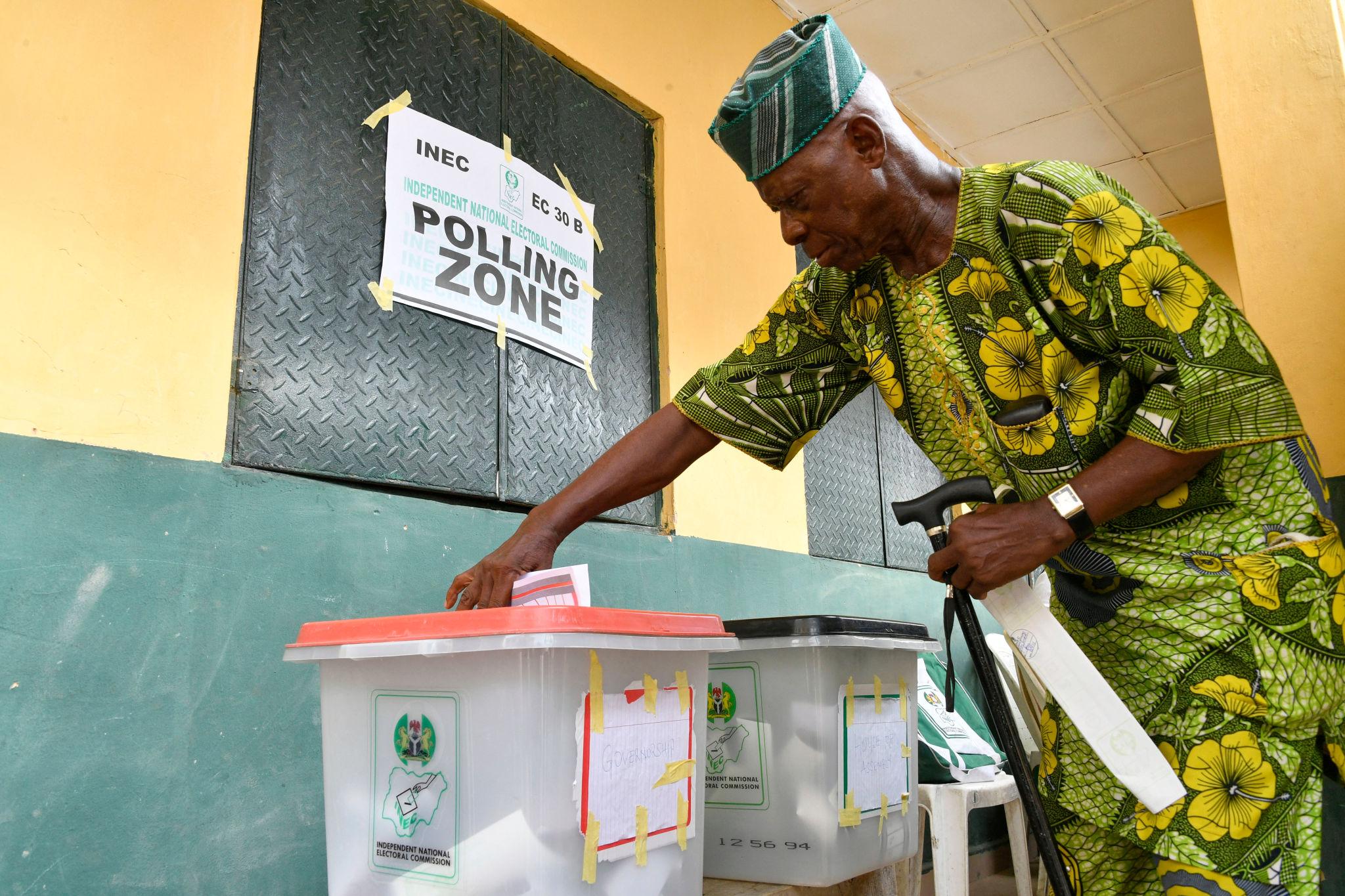
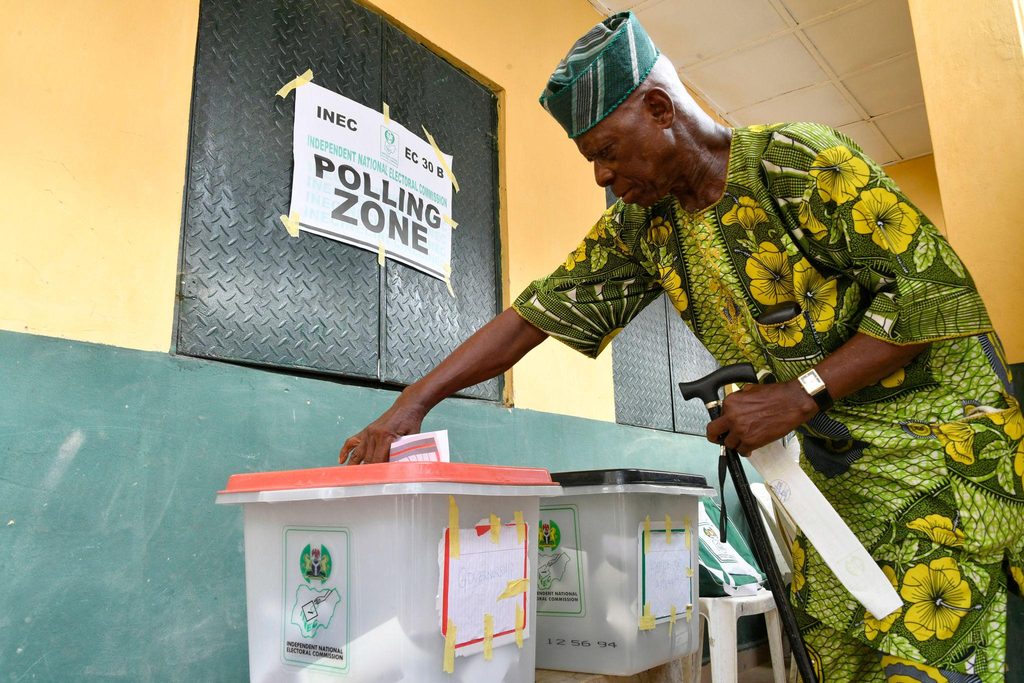
The major principles of democracy as a system of government include, among others, free and fair elections, where voters or the electorate have the freedom to choose and replace their leaders regularly.
It also ensures that while the majority rule, the rights of the minority, as well as the basic or fundamental human rights of individual citizens, remain protected. Accountability is also the hallmark of democracy. In other words, leaders must be answerable to the public and operate under transparent rules.
There are basically two forms of democracy: direct and representative democracy. Direct democracy is where citizens vote directly on laws and policies instead of using intermediaries, while representative democracy entails citizens electing officials to make laws and govern on their behalf.
Representative democracy is the most common model of democracy practised in most nations of the world today.
Though democracy is regarded as the best system of government, given its principles, this perception has drawn, and continues to draw, debate, considering its practice in Nigeria and most African countries.
The constitution of a country is upheld in a democratic government and is considered the strongest document that guides, directs and provides for the way and manner in which elected representatives should operate and function under a democratic system. This includes both the executive and legislative arms of government, whose functions and responsibilities are captured and spelt out by the constitution of such a country under democracy.
However, past and recent events and happenings in Nigerian democratic practice reveal a deviation and absurdity from the tenets and practice of democracy in its true sense. This raises concerns and, hence, the question: who benefits more?
The benefits of democracy usually come to the electorate in various forms. They include tangible and intangible benefits, some of which may be personal while others are collective.
For instance, political appointments and the provision of democratic dividends to communities through the initiation and execution of developmental projects are perceived to be based on the needs and yearnings of the electorate.
They include the provision of basic social and infrastructural facilities such as good roads, electricity, quality education, better and affordable transportation systems, quality healthcare services, security and a better economy with an improved standard of living.
These are all expected to be provided based on the availability of resources at the government’s disposal and the needs of society, in a transparent manner. This position or assumption, however, remains subjective, as individual societies and electorates vary in their needs and have different experiences with different elected representatives in Nigeria.
It is a general belief that Nigerian democracy is shrouded in corruption, abuse of due process and constitutional provisions, poor adherence or total disregard for the rule of law, and a failure to keep campaign promises and protect the interests of the electorate.
It is also believed that the process and practice of this system of government are not beneficial to the electorate but rather to politicians or the political class. It is critical to note that it has become a class struggle between “the haves” and “the have-nots” in Nigeria.