



By CHRISTIAN BISKA
The discovery of oil in Nigeria and its exploration over the years changed the fortunes and economy of the country, transforming it from an agricultural economy into one of the world’s oil-producing nations.
This led to the establishment of oil refineries in some states of the federation and the formation of the Nigerian National Petroleum Corporation (NNPC), which was saddled with the responsibility of exploring crude oil, refining it and selling Nigerian crude to the outside world.
The benefits and earnings from the discovery of oil ran into trillions of dollars, significantly increasing Nigeria’s revenue compared with the period when the country depended mainly on agriculture.
This development sparked a lot of transformation and developmental plans for the country in terms of infrastructure, standard of living and the growth of the Nigerian economy as a whole, as oil became the mainstay of the economy.
Nigeria came to be regarded as the giant of Africa, considering its growth as a result of earnings from crude oil and its role in the growth and development of other African states, supported by its earnings from crude oil.
The discovery also led to the establishment of various refineries that were working and producing at full capacity, contributing to economic growth. This continued for a good number of years until the company saddled with the responsibility of managing these resources on behalf of the country found itself embroiled in corruption, leading to the near-collapse of virtually all the refineries.
Millions of dollars have been spent in the past to maintain and ensure that the refineries keep working under successive governments, but all these efforts proved abortive as the refineries continued to witness declining production capacity, with some eventually going completely out of production.
All these have been associated with huge corruption and poor management of the company by its management and successive governments that have not demonstrated sufficient political will to fight the problem.
Corruption continued in NNPC for decades until it was eventually commercialised and the name changed from NNPC to NNPCL. The idea was to give the corporation a different nomenclature and make it a commercial entity. This could not solve the lingering problems facing NNPCL, but rather, there were further cases and allegations of missing funds that remained unaccounted for across successive administrations and changes in government in Nigeria.
The corruption in NNPC and now NNPCL became deeply entrenched, leading to poor or total lack of productivity from a company that had contributed significantly to the growth and development of the Nigerian economy in the early 1960s and 1970s.
All the refineries have become moribund, and the government has been unable to restore them to their former production capacity. This could not but have an impact on the Nigerian economy through the huge importation of petrol, high prices associated with importation, reduced revenue earnings and the inability of the government to meet its responsibilities to the people.
Provision of basic social and infrastructural development became difficult, and all sectors of the economy started witnessing a decline in growth, occasioned by the high level of corruption in its economic mainstay, oil.
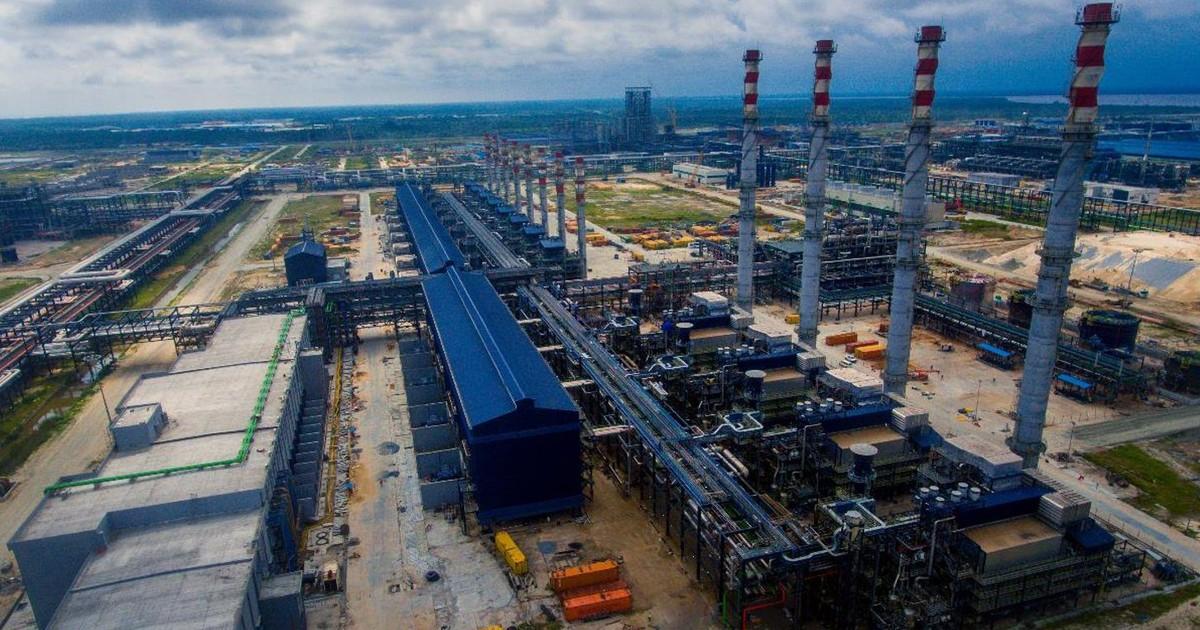
The pronouncement and establishment of the Dangote Refinery was, therefore, received with great joy and enthusiasm by many Nigerians, considering the challenges posed by the absence of functional refineries in the country and the collapse of the NNPCL refineries.
Today, the Dangote Refinery is considered by many as a saving grace for the country due to its ability to help meet the shortfall in Nigeria’s daily petrol consumption. Though it might not have met all the domestic daily requirements of the country, the fact remains that it has contributed immensely to cushioning the difficulties Nigerians would have faced in its absence, considering the unfortunate and unpredicted conflict in the Strait of Hormuz between the United States and Iran.
Today, the Nigerian government would have been making billions of dollars as a result of the increase in the price of crude oil in the international market. This is indeed unfortunate.
The Dangote Refinery has made significant profit after tax, while its earnings, in terms of the dollars spent on the establishment and management of the refinery, have yielded positive returns and contributed to the growth of the Nigerian economy.
The announcement of the Dangote IPO, valued at N2.15 trillion, is therefore considered a welcome development for individuals, corporate organisations and business entities that want to expand their sources of income and become part-owners of the Dangote Refinery.
This is presented as a significant investment opportunity that Nigerians, both locally and in the diaspora, can consider as a means of investing for the future. As economists will always say, “money spent is lost, but money invested is a gain for another money tomorrow.”
Thus, it is incumbent on Nigerian households and individuals who want to improve their income and can afford a minimum of 10 shares to consider the opportunity to become part-owners of the Dangote Refinery, whose gains are in millions of dollars, rather than patronising fake business establishments.
The Dangote Refinery IPO is N5,250 per share and is open to all Nigerians, young or old. Individuals can therefore consider the opportunity to become part of the Nigerian oil industry and the global oil industry, considering the fact that the Dangote Refinery is also exporting some of its products to other parts of the world.