



By NANCY MAJEKODUNMI
The words witch, wizard and witchcraft often conjure images of people flying at night, casting spells or engaging in mysterious acts of evil. In many African societies, the belief in witchcraft remains deeply rooted, with some families convinced that there is a witch or wizard somewhere within their lineage.
I have heard stories from several people who claim that when they visit their villages and are preparing to return, they deliberately avoid telling anyone about their departure because of the fear that they could be attacked spiritually or physically on their way.
But perhaps witchcraft, as many people understand it, has taken a different form in modern society. Today, people do not necessarily need to fly at night or suck blood to cause harm. Wickedness, cruelty, exploitation and deliberate attempts to destroy another person’s life can be seen as forms of ‘modern-day witchcraft’ — not in the supernatural sense, but as a metaphor for the evil actions people consciously inflict on others.
These acts occur in almost every sector of society: in families, workplaces, places of worship, markets and even institutions entrusted with protecting the vulnerable.
How can a mother bring a young girl into her home to assist with household chores and then subject the child to severe punishment simply because she believes the girl is lazy? There have been disturbing reports of children being subjected to extreme abuse, including being forced to sit on hot coals.
There was also the reported case of a young girl in Anambra State who was allegedly locked inside a toilet by her guardian for months and fed only once a day. According to reports, she eventually screamed for help after hearing a neighbour close to the house while her guardian was away, leading to her rescue.
These are not acts of discipline. They are acts of cruelty. When an adult sexually abuses a child, what should we call such an act other than a grave abuse of trust, dignity and innocence?
The workplace is not immune to this kind of behaviour. Some people deliberately hide files, withhold information or frustrate colleagues because they do not want them to succeed or rise above them. Others entrusted with responsibilities involving pensioners or public funds allegedly manipulate processes, divert resources or create endless excuses, leaving vulnerable people stranded and frustrated.
What should we call such deliberate wickedness?
Perhaps the question is not whether these people are witches or wizards, but whether their actions are any less destructive simply because they do not involve supernatural powers.
Consider cases where negligence, corruption or greed puts human lives at risk. When a contractor diverts funds meant for a road project or uses substandard materials, the consequences can be devastating. Roads may deteriorate quickly, accidents may occur and people may lose their lives. Buildings constructed with inferior materials can also collapse, resulting in injuries and deaths.
If someone knowingly engages in actions that can cause the death of others for personal gain, should society not examine the evil behind such conduct?
The recent case at the University of Jos involving the reported dehumanisation of Ibrahim Mbaya, which reportedly led to his death, is another painful reminder of what human beings can do to one another. Such incidents force us to ask difficult questions about the value we place on human life and dignity.
Wickedness is also visible on our roads. A driver may accidentally hit someone and, instead of stopping to help or taking the victim to safety, speed away. In the age of social media, people sometimes stand by during distressing incidents, bring out their phones and record rather than intervene or seek help.
What happened to empathy? What happened to the instinct to help another human being in distress?
We often condemn bandits, kidnappers and terrorists for the destruction they bring to society. Yet, there are other forms of cruelty that take place in offices and institutions. A person who deliberately withholds someone’s documents, demands money before releasing what the person is entitled to, or uses a position of authority to frustrate another human being may not carry a weapon, but the consequences of such actions can still be devastating.
This is not to equate every act of bureaucratic misconduct with terrorism or witchcraft. Rather, it is a reminder that evil can manifest in many forms, including abuse of power, corruption, exploitation, cruelty and deliberate harm.
There is an old saying that “the evil that men do lives after them”. Its message remains relevant today. Our actions leave consequences, sometimes affecting not only the people we hurt but also their families and communities.
Even more disturbing is the tendency of some people to forget those who helped them when they had nothing. People sometimes turn against those who raised, supported or assisted them once they become successful or powerful.
Perhaps, therefore, we should stop looking for witches only in mysterious places and start examining the behaviour of human beings around us — and, more importantly, ourselves.
Are we practising ‘witchcraft’ in the metaphorical sense through our wickedness, cruelty, dishonesty or indifference? Are we deliberately making another person’s life difficult because of jealousy, greed or selfishness?
Are we using the position entrusted to us to exploit those who depend on us? Are we watching someone suffer when we have the ability to help?
These are questions every one of us should answer honestly.
Building a better society begins with the human heart. We need more compassion in our families, workplaces, communities and institutions. We need to understand that every human being deserves dignity, regardless of their social or economic status.
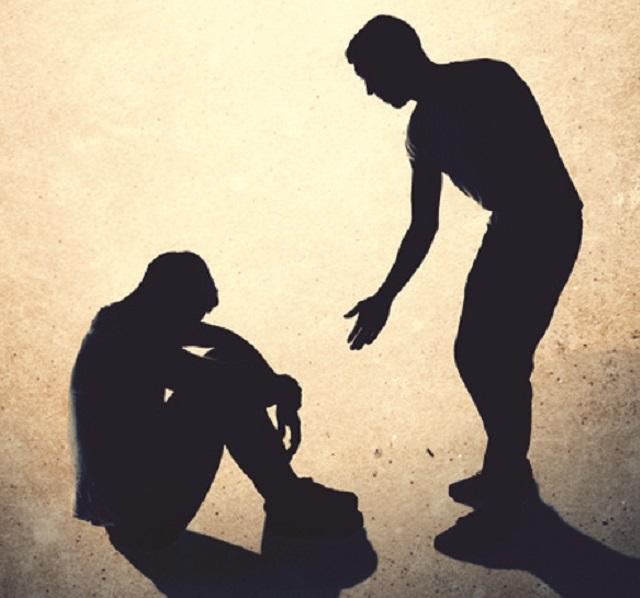
You do not need to know someone before offering help when that person is in distress. You do not need to be related to a victim before showing compassion. Sometimes, a simple act of kindness can make the difference between life and death.
The real battle against evil may not always be about supernatural forces. It may also be about confronting the wickedness that manifests through our everyday choices.
Let us, therefore, examine our hearts, reject cruelty and choose kindness. It pays to be good.
Let love abound in our hearts, because a society built on compassion, justice and humanity will always be a better place for everyone.