



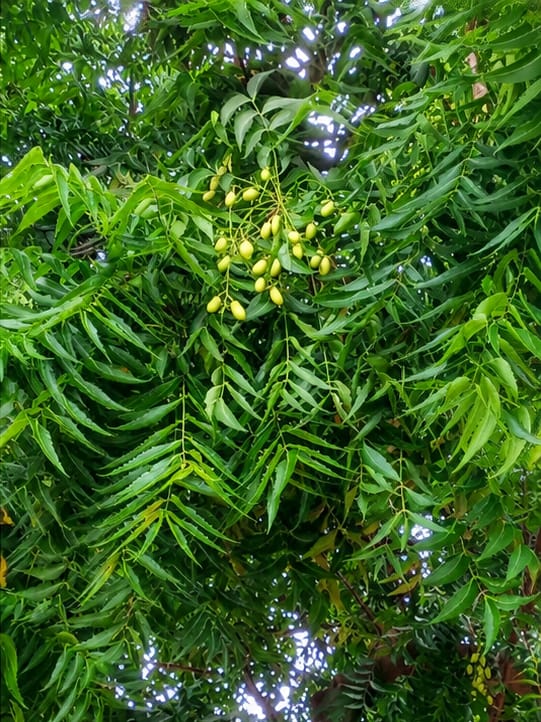
For generations, the bitter dogonyaro (neem) tree has occupied a special place in Plateau State households, serving as a source of traditional remedies, agricultural resources and shade. In this report, NANNA FAVEN explores its enduring place in the lives of families across the state’s southern communities, examining the experiences that sustain its reputation, the scientific research into its properties and the health risks that make caution essential
In communities of Langtang North, Langtang South, Kanke, Shendam and Qua’an Pan local government areas of Plateau State, there stands a tree that most children learn to resent before they learn to appreciate. Its leaves are bitter. Its oil is even more pungent.
Yet, for generations, when fever crept into a household or a child’s skin broke out in rashes, some mothers did not reach first for the pharmacy. They turned to the neem tree.
Known locally as dogonyaro and botanically as Azadirachta indica, neem is an evergreen tree that can grow up to 20 metres tall. It is distinguished by its feathery leaves, thick bark, fragrant white flowers and greenish-yellow fruits. Its roots run deep, an apt metaphor for a plant whose presence in Nigerian traditional medicine runs deeper still.
Ask the average passer-by about neem, and the answers tend to centre on two things: it makes a decent chewing stick and provides good shade on a hot afternoon.
Fewer people are familiar with the range of traditional medicinal and agricultural uses associated with its leaves, seeds, oil and bark.
Over generations, households have used different parts of the tree to manage various health complaints. Scientific studies have also investigated compounds found in neem for their potential antibacterial, anti-inflammatory, antifungal and insecticidal properties.
Traditional uses, scientific interest
However, the presence of these compounds does not automatically establish that every traditional preparation is safe or effective for treating a particular illness.
The tree is not particularly tedious to grow. It can be propagated from seeds and, under suitable conditions, through other vegetative methods. This adaptability has helped it spread across different parts of Nigeria, where it has become a familiar feature of residential compounds, farms and roadside landscapes.
Adamu Umar, a botanist at the Federal College of Forestry, Jos, explains that neem’s significance extends beyond its traditional household uses.
“Neem is important not only for its traditional medicinal uses but also for its environmental and agricultural benefits. The tree can contribute to efforts to combat desertification, while compounds such as azadirachtin have properties that make neem useful in managing certain agricultural pests,” Umar said.
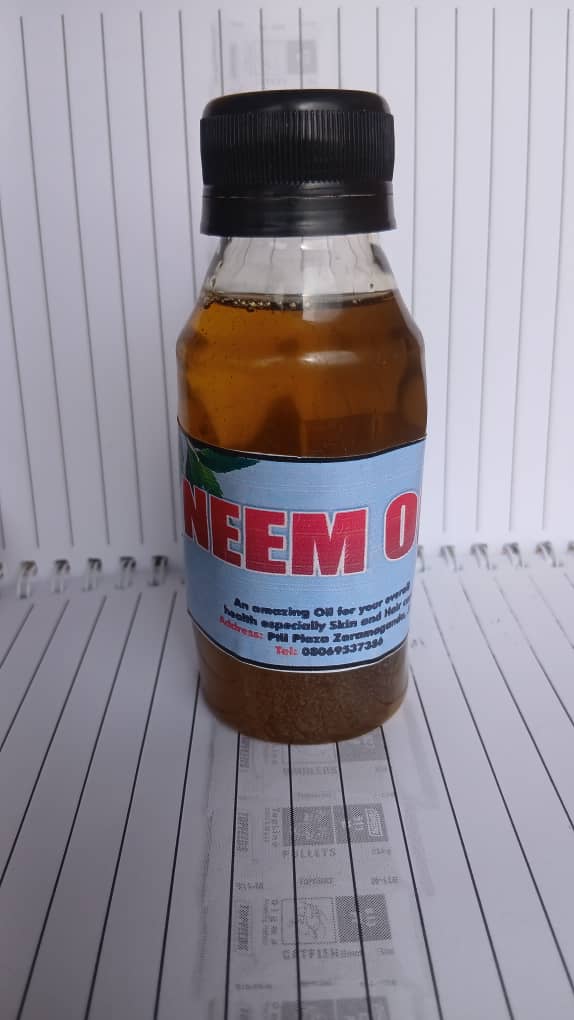
Azadirachtin, a naturally occurring compound found in neem seeds, has insecticidal properties. It affects the feeding, growth and development of various insects, making it an important subject of research into plant-based alternatives to some conventional pesticides.
For farmers, therefore, the tree’s value goes beyond its medicinal reputation. It also offers potential benefits for crop protection and environmental management.
For Dinchi Sambo, a native of Langtang North, neem is not a discovery but an inheritance.
She recalls growing up in a typical village setting where, whenever illness struck her or her siblings, their mother turned first to the neem plant. It was not treated as a last resort but as one of the most accessible remedies available to the family.
The experience stayed with her into adulthood, particularly her family’s use of oil extracted from neem seeds.
Today, Sambo says she takes a tablespoon of neem oil once a month, a practice she believes has helped her avoid malaria.
“Since I started consuming neem oil, I hardly fall sick with malaria. It helped my body build resistance to mosquito bites,” she said, adding that the bitter taste and smell were unpleasant.
Sambo also boils fresh neem leaves and adds the water to her bathing water. Occasionally, she drinks the boiled leaf preparation, accepting its bitterness as part of the practice.
Her experience reflects the confidence some households place in remedies passed down through generations.
However, personal experiences alone cannot establish that neem oil prevents malaria or builds resistance to mosquito bites. There is no established clinical evidence that routinely consuming neem oil protects people against malaria.
Nannyi Hosea, a resident of Langtang South who grew up familiar with the traditional uses of neem, describes the tree as a healing wonder passed down through generations.
In her household, neem oil and leaves have traditionally been used whenever she or her children experience fever or other health complaints.
“I grew up seeing my grandmother using it for us, and it has never failed,” she said. “I did not have allergies or experience any side effects, except for the bitter taste of it, which takes courage to swallow.”
Ladi Miri, another Langtang native who now lives in Shendam, also recalls growing up in a family where neem was widely used.
Her parents introduced their children to the different uses of the tree, a tradition she says she has continued in her own household.
For these women, neem represents more than a plant. It is part of their childhood memories, family traditions and understanding of household care.
Yet, while their experiences provide insight into local health practices, they also raise questions about the safety, preparation and effectiveness of remedies used without professional medical guidance.
What is actually in the leaf?
The traditional uses of neem have attracted scientific interest because of the range of naturally occurring compounds found in different parts of the tree.
According to Umar, neem contains compounds that contribute to its importance in botanical research and agricultural applications.
These include limonoids and triterpenoids such as azadirachtin, nimbin, nimbidin and salannin. Different neem preparations may also contain flavonoids, polyphenols, fatty acids and other plant constituents.
These compounds have been investigated for a variety of biological activities, including antioxidant, antimicrobial, anti-inflammatory and insecticidal effects.
“Neem contains several naturally occurring compounds, including azadirachtin, nimbin and nimbidin. These compounds have been studied for different biological activities, but their presence in the plant does not automatically establish that every neem preparation is safe or effective for treating a particular illness,” Umar noted.
However, the presence and concentration of these compounds vary according to the part of the plant used, the method of extraction and the preparation process. Findings from laboratory experiments cannot automatically be interpreted as proof that neem products will safely and effectively treat illnesses in humans.
Research has examined neem’s potential applications in skin care, oral hygiene, pest management and other areas. Nevertheless, the evidence supporting these uses varies, and further research is needed to establish the effectiveness and safety of many neem-based preparations.
The distinction is important. A plant may contain compounds with promising biological properties without every preparation made from it becoming a proven medicine.
Sabi Miki, a pharmacist at Plateau State Specialist Hospital, Jos, also points to neem’s chemical composition in explaining the interest it has generated in health and skin care.
“Neem has attracted interest because of the biological properties of some of its constituents, including their potential antimicrobial and anti-inflammatory effects. However, the effectiveness and safety of a neem preparation depend on its composition, concentration and method of use. Its traditional use should not be confused with proof of clinical effectiveness,” Miki explained.
Nimbidin and nimbin, among other constituents, have been investigated for their biological activities. Azadirachtin and salannin are also associated with neem’s insecticidal properties.
However, the effects of these compounds depend on their concentration, formulation and route of exposure. Their presence in neem does not, on its own, establish that consuming neem oil or applying a homemade preparation will safely treat a medical condition.
For consumers, the distinction matters because products made from the same plant can differ considerably in composition and strength.
Neem’s medicinal reputation may have roots in traditional practice, but establishing the safety and effectiveness of particular preparations requires appropriate scientific investigation.
Skin conditions are among the reasons households continue to turn to neem.
Neem oil and leaf preparations are traditionally used on the skin, particularly when people experience rashes, itching and other complaints. The plant’s antimicrobial and anti-inflammatory properties have also attracted scientific interest in dermatological research.
However, the effectiveness of a neem preparation depends on its composition and the condition being treated. Evidence that certain compounds have antimicrobial activity does not establish that homemade neem oil will cure every rash, fungal infection or other skin condition.
Mrs Ramya Amos from Mabudi, Langtang, says neem oil has become a familiar remedy in her household whenever her children develop skin problems.
“I will recommend neem oil for mothers because I have used it and am still using it, with incredible results,” she said, describing what she considers improvements in her children’s skin conditions.
Her experience reflects the confidence some parents have in remedies they have used over time. Nevertheless, skin conditions can have different causes, and a preparation that appears to help one condition may not be appropriate for another.
Neem oil can also cause irritation or allergic reactions in some people. It should not be assumed to be safe for children simply because it is plant-based. Parents should seek advice from a qualified healthcare professional before using it to treat a child’s skin condition, particularly where symptoms persist, worsen or become infected.
Neem has also found a place in traditional hair care. Some people use preparations made from its leaves in attempts to manage dandruff and itchy scalps. Neem-derived ingredients also appear in some commercial personal-care products.
Even so, consumers should distinguish between a product’s traditional reputation and evidence demonstrating that it is effective for a specific skin or hair condition.
Long before toothpaste tubes and mouthwash bottles became household staples, neem twigs served as traditional chewing sticks in many communities.
Their use has continued in some households, partly because neem contains compounds that have attracted scientific interest for their potential antimicrobial effects.
Traditional users also prepare neem leaves in different ways for oral hygiene. Some dry and grind the leaves into powder, while others boil them to produce a liquid used as a mouth rinse.
Although research has examined neem extracts in relation to oral bacteria and gum health, homemade preparations should not automatically be considered substitutes for clinically tested dental products.
Good oral hygiene still requires regular brushing with fluoride toothpaste, appropriate interdental cleaning and professional dental care when necessary.
Persistent gum bleeding, swelling, toothache or other oral problems should be assessed by a qualified dental professional rather than treated solely with traditional preparations.
The continued use of neem for oral hygiene illustrates how traditional practices can generate useful questions for scientific investigation, even when further evidence is needed to establish their benefits.
Neem’s usefulness is not confined to traditional health practices. Its seeds contain compounds that have made the tree an important resource in agricultural pest management.
Azadirachtin, in particular, has been studied for its effects on insects. Depending on the formulation, concentration and target pest, neem-based products can interfere with insect feeding, growth and development.
For farmers seeking alternatives to some conventional pesticides, properly formulated neem products may offer another option for managing certain agricultural pests.
Umar highlights the tree’s agricultural and environmental significance, particularly its potential contribution to pest management and efforts to address land degradation.
This agricultural role demonstrates why neem is valued beyond traditional medicine.
Neem seeds and other plant materials have traditionally been processed into homemade preparations for use on crops. However, their effectiveness can vary, and the concentration of active compounds may be unpredictable.
Farmers should, therefore, follow appropriate agricultural guidance when preparing or applying neem-based products. They should also avoid assuming that a homemade mixture will control every insect or that natural products are automatically harmless to people, crops and beneficial organisms.
Beyond pest management, neem trees can provide shade and contribute to vegetation cover in suitable environments. Their environmental benefits, however, depend on local growing conditions and how they are managed.
A tree for health, farming, everyday life
There is one more use of neem that requires no preparation, extraction or boiling: simply sitting beneath it.
Households with neem trees planted in their compounds often use the shade as a gathering place, particularly during hot afternoons. Family members and neighbours can sit beneath the canopy, rest and enjoy the cooler conditions provided by the tree’s shade.
In a region where shade can offer considerable relief from the heat, the neem tree quietly earns its place in household life.
Its value, therefore, is not limited to the traditional remedies people prepare from its leaves, seeds and bark. It also serves practical everyday purposes, from providing shade to contributing to the vegetation around homes.
For many families, these ordinary benefits are part of what makes the tree difficult to separate from their memories and traditions.
Perhaps no claim surrounding neem generates more conversation or hope than its reported role in preventing and treating malaria.
Among the households interviewed for this feature, a traditional practice emerged in which some users consume neem oil or drink preparations made from boiled leaves. Some believe that taking these preparations periodically can strengthen the body against malaria, while others use them when fever develops.
Dinchi Sambo, for instance, attributes her experience of rarely falling ill with malaria to her monthly consumption of neem oil.
For Sambo, Hosea and Miri, these practices are rooted in family traditions and personal experiences rather than formal medical research.
However, the belief that neem oil prevents malaria or protects people against mosquito bites is not supported by established clinical evidence. There is also insufficient evidence to recommend drinking neem leaf preparations as a treatment for malaria.
Umar challenges the assumption that neem oil can prevent malaria, distinguishing the tree’s documented botanical and agricultural properties from claims that have not been scientifically established.
“The belief that consuming neem oil prevents malaria is not supported by established scientific evidence. Although neem contains compounds that have attracted scientific interest, that does not mean every traditional claim about the plant has been proven,” Umar said.
This distinction is particularly important in Plateau State, where malaria remains a significant public health concern.
Malaria is a potentially life-threatening disease that requires appropriate diagnosis and treatment. Fever alone does not establish that someone has malaria, as other infections and medical conditions can produce similar symptoms.
Anyone experiencing fever or other suspected malaria symptoms should seek prompt medical assessment and follow the treatment recommended by a qualified healthcare professional.
The experiences of households that use neem remain valuable in understanding traditional health practices. However, those experiences should not be mistaken for evidence that the preparations prevent infection, eliminate malaria parasites or replace proven antimalarial medicines.
The gap between traditional belief and clinical evidence does not mean that every traditional practice is without value. It means that specific claims must be assessed according to the available evidence, particularly when a disease can become severe or fatal.
Neem’s long history of use in Plateau State does not, by itself, establish that every preparation made from the tree is safe.
The risks depend on the part of the plant used, the concentration, the method of preparation, the amount consumed and the health of the person using it.
Neem oil, in particular, should not be assumed safe for drinking. Ingestion has been associated with serious poisoning, especially in children. Neem oil should not be given to children as a home remedy, and people should avoid consuming it unless specifically advised by an appropriately qualified healthcare professional with knowledge of the product.
Pregnant women should avoid medicinal neem preparations unless a qualified healthcare professional advises otherwise, because their safety during pregnancy has not been adequately established.
Miki emphasises the need to distinguish traditional use from established medical treatment.
“People should be careful about assuming that a plant-based product is automatically safe. Neem preparations can vary in strength, and some may cause adverse reactions. Anyone using neem for a skin condition, particularly on a child, should seek appropriate medical advice if the condition persists or worsens,” Miki said.
He also cautions against consuming neem oil without appropriate medical guidance.
“Neem oil should not be assumed safe for oral consumption. There are documented concerns about poisoning following ingestion, particularly among children. People should not use neem as a substitute for prescribed medicines or delay seeking medical attention because they are relying on a traditional remedy,” he added.
Homemade preparations present additional challenges because their concentrations may be unknown. Two products made from the same plant can differ significantly in strength and purity, making it difficult to predict their effects.
Consumers should also exercise caution with products marketed as cures for malaria, diabetes, infections or other serious conditions without reliable clinical evidence.
Where a neem-based product is being considered for skin care or another non-emergency purpose, advice from a qualified healthcare professional can help determine whether it is appropriate. People with existing medical conditions, those taking medicines and parents considering products for children should be particularly careful.
Most importantly, neem should not replace prescribed treatment or delay medical attention. Suspected malaria, severe fever, persistent skin infections and other serious symptoms require appropriate professional assessment.
The aim is not to dismiss traditional knowledge but to ensure that its use does not expose individuals and families to avoidable harm.
What emerges from conversations with households in Langtang North and Langtang South, neighbouring communities and professionals who understand the botanical and pharmaceutical dimensions of neem is neither a simple celebration of traditional remedies nor a wholesale rejection of them. It is a reminder that traditional knowledge deserves to be understood, while claims about health benefits must be examined against available scientific evidence.
Every part of the dogonyaro tree, from its bitter leaves to its pungent oil, tells a story that remains incomplete without both perspectives: the experiences of households that have relied on it for generations and the scientific work seeking to establish where their faith is well placed.
Sometimes, the most familiar resource in a household compound can hold possibilities that deserve closer examination. The challenge, as Umar’s explanations make clear, is to understand the tree’s genuine benefits, acknowledge the limits of current evidence and use it wisely rather than assume that every traditional claim is true.