



By ABDULRAHMAN IBRAHIM
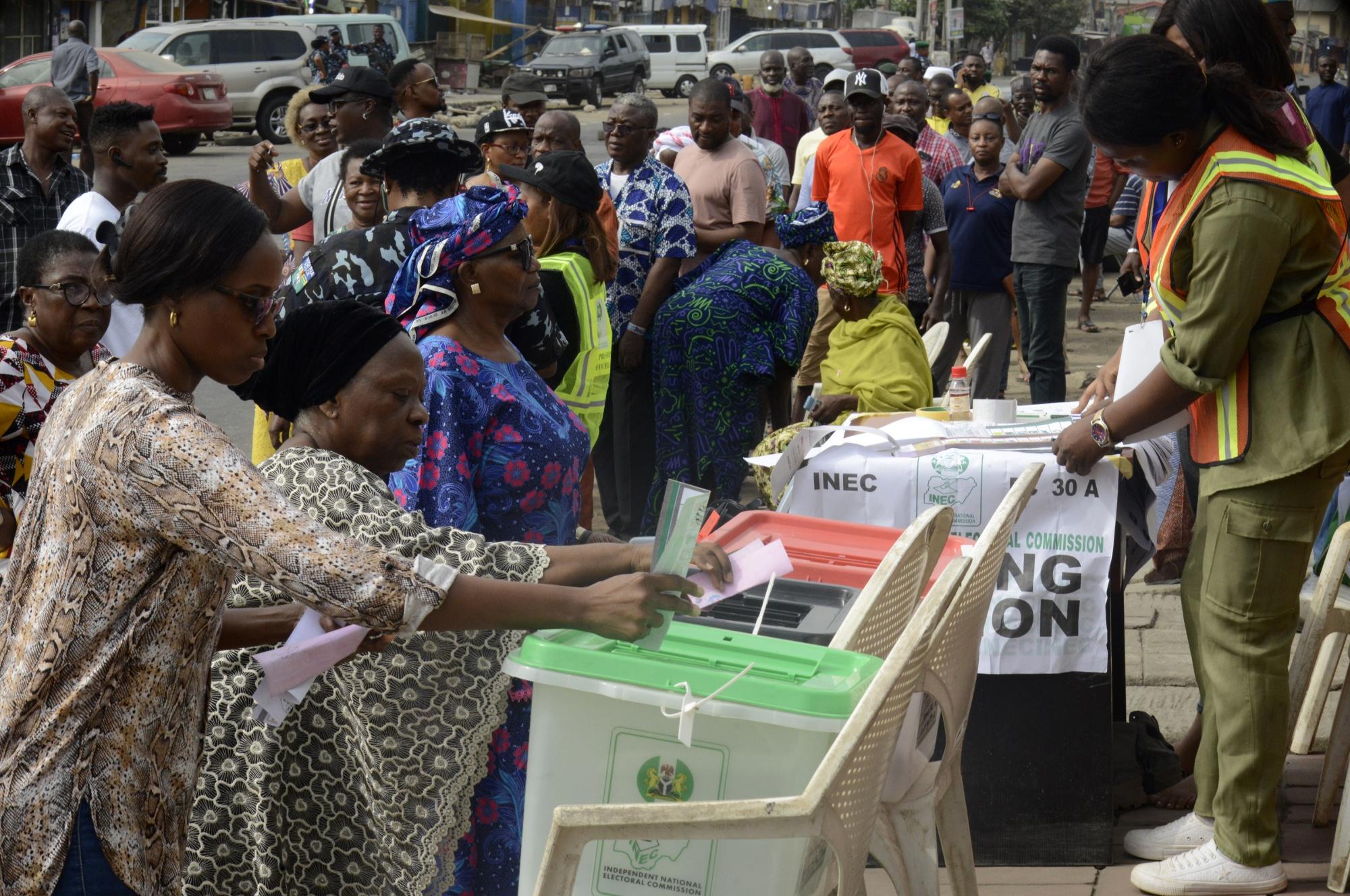
As the Independent National Electoral Commission (INEC) released the timetable for preparations for the 2027 general elections, campaigns for the presidential and National Assembly elections were scheduled to commence on August 19, 2026, while campaigns for the governorship and State Houses of Assembly elections were to begin on September 9, 2026.
The presidential and National Assembly elections were scheduled for January 16, while the governorship and State Houses of Assembly elections were slated for February 6.
However, some opposition political parties have faced the exclusion of their candidates from lists released by the Independent National Electoral Commission (INEC) for various positions in the 2027 general elections.
For instance, in Kano State, the governorship candidate of the Nigerian Democratic Party (NDP), Aminu Abdulsalam Gwarzo, was not included on the list.
Similarly, the name of the Peoples Democratic Party (PDP) governorship aspirant in Gombe State, Isa Ali Pantami, was omitted from the list of contestants in the state, despite the party having recently organised a fresh primary election to fulfil the requirements for fielding a candidate in the governorship election.
In Kaduna State, the PDP governorship candidate, Danjuma La’ah, was also excluded from the list of candidates.
Opposition parties have interpreted these circumstances as a calculated attempt to deny them the opportunity to participate in the electoral process.
Following INEC’s release of the list of candidates cleared to contest the elections, those excluded viewed the decision as a move to weaken their political strength and undermine their chances of securing victory in 2027.
The electoral body is constitutionally responsible for organising elections, and the exclusion of these candidates means they will not appear on the ballot unless the decisions are reversed through the appropriate legal or administrative processes. Their parties would consequently be unable to field them in the affected contests.
Importance of a viable opposition
Democracy thrives when there are viable and effective opposition political parties capable of holding the party in government accountable. Such parties serve as a wake-up call to those in power to provide the people with the basic necessities of life, improve living conditions and earn public support.
Effective opposition also encourages governments to remain accountable and dedicated to performing their constitutional responsibilities rather than taking public support for granted.
The impact of the 2015 general elections in Nigeria helped build trust and confidence in the country’s electoral process. The election marked a significant moment in the country’s democratic history, as an opposition party defeated an incumbent party at the presidential level.
The All Progressives Congress (APC), a newly formed political party at the time, defeated the ruling Peoples Democratic Party (PDP) in the presidential election and won seats across several states, as well as a majority in the National Assembly. This brought an end to the PDP’s 16-year rule at the federal level.
For many Nigerians who had lost confidence in the country’s electoral system, the outcome demonstrated that a change of government through the ballot box was possible.
It also strengthened perceptions that improvements had been made in election administration, particularly through the introduction of modern technology intended to reduce electoral fraud and the manipulation of results.
Freedom of expression, the right to protest
Recently, in Maiduguri, the Borno State capital, five youth wearing T-shirts bearing the inscription ‘Tinubu Must Go’ were arrested by the police and charged before a court.
The police accused them of criminal conspiracy, inciting disturbance, disturbance of public peace and thuggery under the Borno State Penal Code.
The police alleged that the suspects were found in possession of items including 15 wraps of suspected Indian hemp, D5 tablets and a shisha pot. The defendants pleaded not guilty to the charges, and the court subsequently granted them bail.
Organisations, including Amnesty International and the African Democratic Congress (ADC), condemned the arrests, describing them as an infringement on the right to freedom of expression.
Similarly, in Kano State, a large group of youths led by Barrister Abba Hikima staged a ‘Tinubu Must Go’ protest in the state capital. Police officers blocked the group’s planned indoor meeting at the Avenue Event Centre.
These developments have been interpreted by some observers as instances of the victimisation of political opposition and the restriction of dissenting voices.
Need to protect democratic participation
Therefore, both the government and security agencies should allow opposition parties and their supporters to operate freely, provided they act within the law.
Democracy flourishes when opposition parties are able to participate in the political process, express their views, organise meetings and protests, and hold those in power accountable without undue interference.
At the same time, opposition parties and their supporters must ensure that their activities comply with the Constitution and other established laws.
Political disagreements should be pursued through peaceful and lawful means, without resorting to violence or actions capable of destabilising the country and destroying lives and property.
The protection of democratic participation requires a balance between maintaining public order and safeguarding fundamental rights. Government authorities and security agencies must ensure that the law is applied fairly, while opposition parties must conduct their activities responsibly.
Upholding these principles will help strengthen public confidence in the electoral process and preserve the democratic space ahead of the 2027 general elections.