



The struggle to protect women and girls from harmful cultural practices demands a collective commitment from religious institutions, traditional rulers, government agencies and communities to defend their fundamental rights. PALANG KASMI reports on an international engagement in Plateau State where stakeholders called for an end to female genital mutilation (FGM), early marriage and other violations of women’s freedom of religion or belief (FoRB)
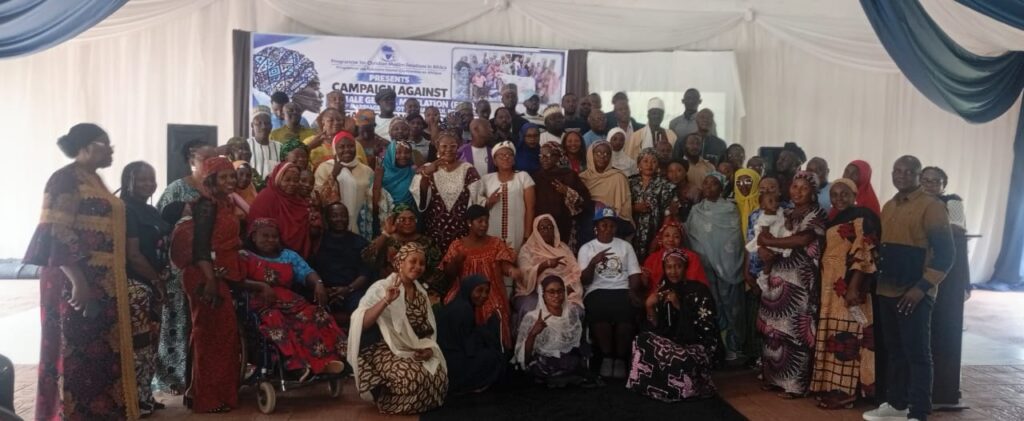
The Programme for Christian-Muslim Relations in Africa (PROCMURA) has organised an international engagement and campaign against female genital mutilation, early marriage and other violations of women’s FoRB rights, bringing together religious and traditional leaders, youth groups, women, government representatives, the media and other stakeholders in Plateau State.
Held at Odilin Event Centre, Jos, the engagement was organised under PROCMURA’s FoRB for Women Project in Northern Nigeria. It attracted participants from different states in Nigeria and some African countries.
In a keynote address, the guest speaker and Country Representative of Mission 21 Nigeria, Dr Yakubu Joseph, stated religion was not the problem but, rather, those who interpreted it, noting that it was sometimes difficult to distinguish between traditions, culture and knowledge, particularly where some practices were harmful.
Presenting a paper titled, ‘The Role of Traditional and Religious Leaders/Actors in Addressing Harmful Cultural Practices That Undermine the FoRB Rights of Women in Nigeria’, Joseph posited that some cultural beliefs were rooted in superstition and needed to be interrogated.
He cited practices that prohibited women from eating chicken or eggs, as well as the practice of marrying off girls to secure financial benefits for their parents and families, as examples of harmful traditions that required critical examination.
Joseph recommended six measures that traditional rulers could adopt to address the problem, including demonstrating theological stewardship, challenging harmful misconceptions and social norms, and protecting and promoting the participation of women and girls.
On the strategic role of community leaders in addressing FoRB violations and early marriage, Joseph urged traditional rulers to serve as role models and create safe spaces where women and girls could speak freely without fear of retaliation, intimidation or humiliation.
Addressing the need to strengthen interfaith collaboration and challenge harmful social norms, he said rape and other forms of sexual violence were criminal matters that religious leaders must not conceal.
Violation of FoRB remains a worrisome reality
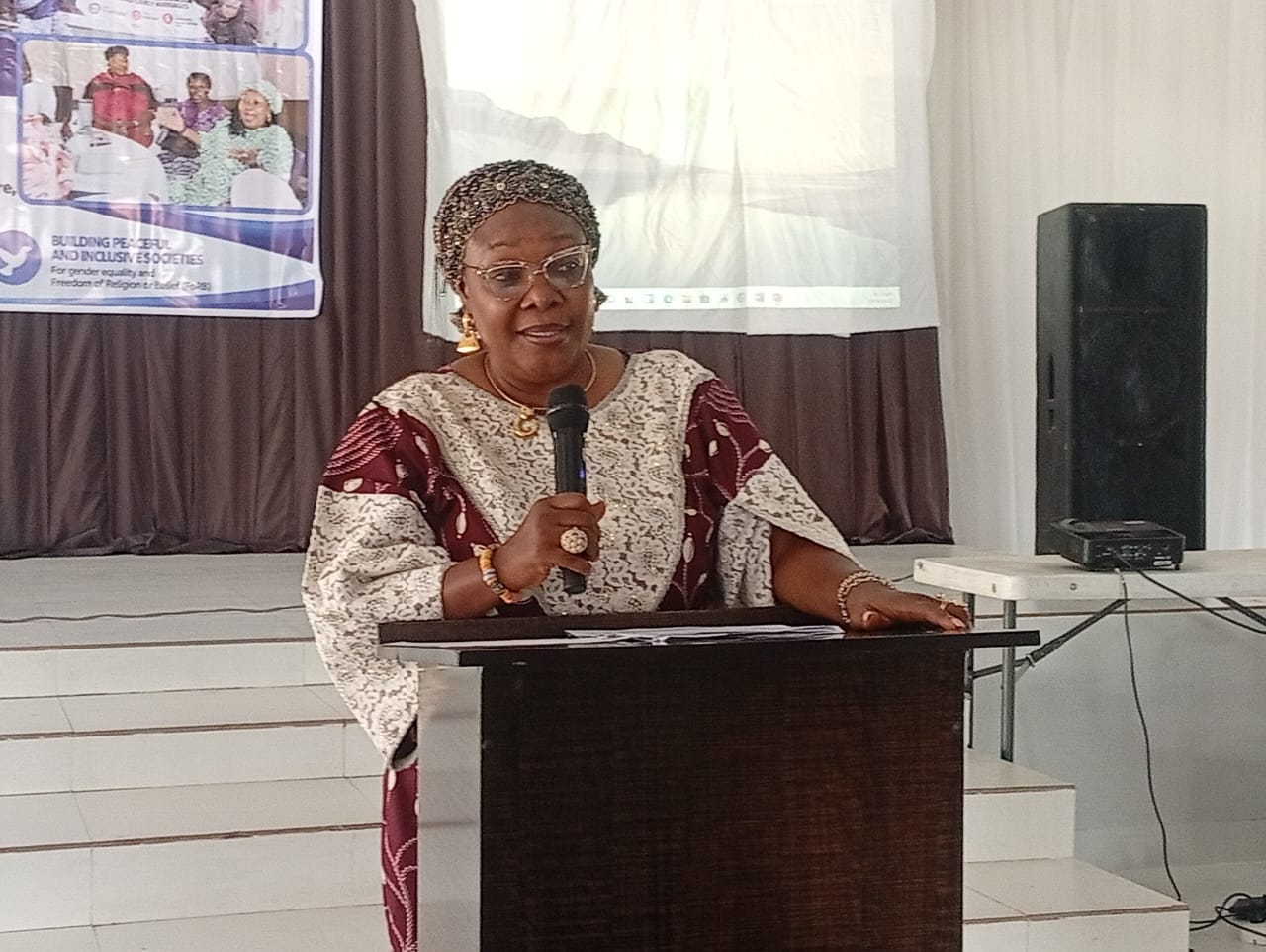
In her welcome address, the Coordinator of PROCMURA, Ambassador Justina Mike-Ngwobia, expressed concern that violations of freedom of religion or belief remained a serious challenge across sub-Saharan Africa, including Nigeria.
She said addressing the problem required continuous public education and awareness of people’s FoRB rights, alongside advocacy to ensure that duty-bearers were held accountable for practices that violated those rights, particularly those affecting women.
Mike-Ngwobia explained that the project’s focus on women was justified because violations of their FoRB rights were often overlooked or misidentified as ordinary cultural and religious practices in many African communities.
She noted that practices undermining gender equality were sometimes defended as protected by freedom of religion or belief, particularly when they negatively affected women and girls.
She also identified the religious and traditional justification of FGM and early marriage, sexual violations by religious extremist groups, and the exclusion of women from leadership positions in religious institutions as other manifestations of the problem.
Stakeholders call for girl-child education, end to FGM
Stakeholders at the engagement took turns to condemn FGM, early marriage and other violations of women’s FoRB rights, calling for collective action to protect women and girls.
A representative of traditional rulers, Alhaji Dahiru Dalhatu of Tsarki Gurum community in Bassa Local Government Area of Plateau State, described FGM as a menace affecting the girl-child but said the practice had been abolished in his community.
He condemned the practice, describing it as an attempt to distort or destroy God’s natural physical and biological creation and an abomination.
Emphasising the importance of educating girls, Dalhatu said: “I’m proud to be a father of 10 girl-children. All of them are educated; some have graduated, while others are presently undergraduates, and I am happy to shoulder most of their responsibilities.”
The Co-Chairman of the Plateau Youth Interfaith Forum (PYIF), Markus Kanda, said young people had a collective responsibility to unite across religious divides and promote peace.
He urged Plateau youth to embrace tolerance, demonstrate unity through their actions and activities, and join the campaign against harmful traditional practices affecting women and girls.
In her remarks, the Plateau State Coordinator of the National Human Rights Commission (NHRC) and Director of Legal Services and Enforcement, Dr Kiyenpiya Mafuyai, said the commission was willing to engage with communities, religious institutions and social groups to promote human rights education and address violations.
She added that the commission was also available to receive complaints relating to human rights abuses.
“Our services are free of charge. We investigate and provide remedies for our survivors of violence,” she stressed.
The State Amirah (Chairperson) of the Federation of Muslim Women’s Associations in Nigeria (FOMWAN), Hajiya Hauwa Musa, and the Secretary of the Women Wing of the Christian Association of Nigeria (WOWICAN), Mrs Deborah Olayana, separately described FGM as a harmful practice that Nigerians and society at large must work together to eradicate.
They encouraged parents to send their daughters to school, stressing that education would equip girls with the knowledge and confidence to contribute to development and confront the challenges they encountered.
Also speaking, the Plateau State Coordinator of the Women, Peace and Security (WPS) Network, Ambassador Bridget Dakyes, disclosed that more than 50 women’s organisations belonged to the network and were working to promote women’s inclusion in peace architecture structures.
Dakyes called for the inclusion of women in traditional councils, identifying their participation in the councils of some communities in Plateau State as one of the network’s achievements.
Other stakeholders, including representatives of the Nigeria Security and Civil Defence Corps and civil society organisations (CSOs), urged participants to move beyond verbal commitments and return to their respective communities to practise, preach and promote the values discussed at the engagement.
One of the highlights of the event was a panel discussion moderated by Hajiya Amina Ahmed, a peacebuilder and Executive Director of Women Initiative for Sustainable Community Development (WISCOD).
The discussion brought together youth, women, religious and civil society representatives, who shared practical experiences and success stories relating to FoRB and other rights violations affecting women and girls in their communities.
Community representatives also gave testimonies on how their collaboration with PROCMURA’s FoRB project had positively affected individuals and families.
The engagement concluded with a sensitisation rally and walk during which stakeholders marched through some streets in Jos, chanting slogans and singing to raise awareness and campaign against FGM, early marriage and other violations of women’s freedom of religion or belief.