


By MARIE-THERESE NANLONG
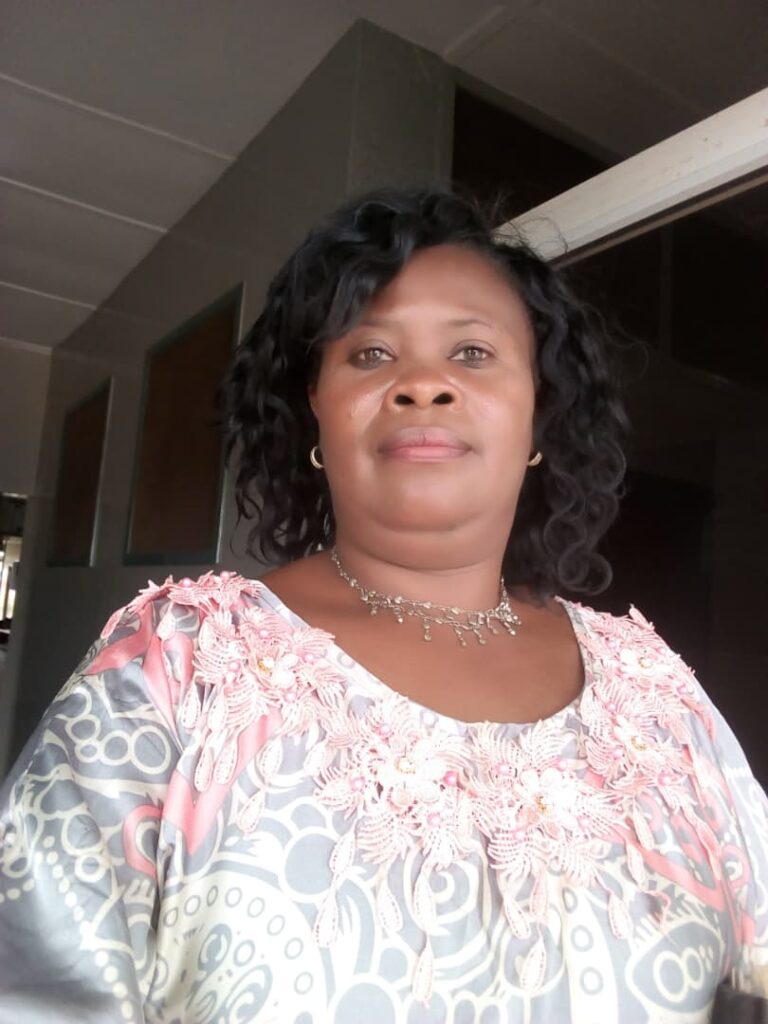
For years, Blessing Nwadike, a middle-aged woman, struggled to understand the changes taking place in her body. Her menstrual periods became irregular, sometimes disappearing for three months before returning, until they eventually stopped altogether.
Then came episodes of intense heat and dizziness that made her feel as though she was losing her balance while walking.
Worried about these unusual sensations, she visited several hospitals, including Jos University Teaching Hospital (JUTH), and underwent medical tests, but the results offered no explanation for her condition.
“At times, there is a kind of heat that will come as if they are putting fire inside my body,” she recalled. It was only after healthcare professionals asked her age that she learnt she was experiencing menopause.
For Rosemary Atang, the experience forced her to abandon her akara and potato-frying business in Jos because she suspected that the heat from the fire was responsible for the intense heat she felt in her body.
Sade Akanni, on the other hand, thought her menopausal experience was an “attack” from her “enemies.”
She went from one worship centre to another seeking “help.” She was told that her mother-in-law was behind the experience. When she confronted her, the incident created a deep rift in their family relationship, which she is still trying to mend.
Some women have similarly perceived menopause as a curse or punishment for perceived wrongdoing.
Nwadike’s experience has strengthened her call for greater awareness and dedicated clinics where women can learn about menopause, understand its symptoms and receive appropriate support.
The call is supported by Dr Audu Clement, a consultant family physician at Plateau State Specialist Hospital, who believes that specialised menopause clinics and deliberate awareness campaigns, including those organised through worship centres, could help women prepare for the transition and manage its challenges.

A nurse at JUTH, Omolara Lawal, who spoke on menopause at the Annual Good Women Convention of the Redeemed Christian Church of God (RCCG), Redemption Mega, Kwang, urged women to understand the transition as a natural stage of life rather than a disease or punishment.
Together, their perspectives highlight the need for greater awareness, medical support and more open conversations about the physical, emotional and spiritual experiences associated with menopause.
The struggle to understand menopause
Nwadike said her symptoms were initially confusing because she had never experienced anything similar. Despite repeated hospital visits and medical investigations, she did not immediately discover the cause of the intense heat and dizziness.
Her experience also brought her into contact with other women facing similar challenges.
She recounted how a friend struggled with persistent anger and irritability without understanding what was happening to her. The woman initially feared that something beyond a medical condition was responsible for her experience.
After Nwadike explained that the symptoms could be associated with menopause, her friend went to the hospital and began to understand her condition.
“I will like that more awareness because created because most women are going through it, but they don’t know actually what they are going through,” Nwadike said, expressing support for organised awareness programmes.
She called on state and non-state actors to create opportunities for women to learn about the symptoms of menopause and share their experiences.
“I will like government to make room for these women to tell them how menopause comes and the symptoms and what they face during menopause,” she said.
Menopause is not the end
Nurse Lawal described menopause as a natural biological stage that women should approach without shame or fear.
She observed that some women were reluctant to discuss the experience because of the changes they encountered, stressing that understanding what happens in their bodies could help them prepare physically, emotionally, mentally and spiritually.
Drawing from the Bible, she explained that although Scripture does not use the modern medical term menopause, it recognises that life passes through different seasons.
Quoting Ecclesiastes 3:1, she said: “To everything there is a season, and a time to every purpose under the heaven.”
According to Lawal, advancing in age does not mean that a woman’s usefulness has ended. Women can continue to serve God, care for their families, mentor others and fulfil their purpose during and after menopause.
She therefore encouraged women to view menopause not as an end, but as a transition into another meaningful season of life.
Dr Clement explained that menopause occurs when a woman’s menstrual periods have permanently stopped, marking a new phase in her life. Clinically, menopause is generally confirmed after a woman has gone 12 consecutive months without menstruating, provided there is no other medical explanation.
He pointed out that the transition could be challenging for women who were unprepared for changes in their menstrual patterns and other bodily functions.
Menstrual periods may initially become irregular, with women sometimes going several months without menstruating before their periods eventually cease.
“One of the first challenges is that their regular menses just stops, and some are not prepared for it. Whatever feelings health-wise that begin to come up begin to look strange to them,” he said.
Doctor advocates specialised clinics
Other symptoms, Dr Clement explained, include hot flushes, sudden sweating and sleeplessness. He added that declining hormone levels could also affect bone strength.
To address these challenges, he proposed establishing perimenopausal or menopausal clinics where women could receive information, counselling and appropriate care.
Drawing a comparison with adolescent clinics that prepare young people for the changes associated with puberty, the doctor asked: “If such groups will be taken care of at that particular stage of their lives and health, why not those entering into menopause?”
He said the clinics should not focus exclusively on treatment but should also educate women about what to expect, the changes they might experience and how to manage their symptoms.
Appropriate medication could also be provided where necessary to reduce symptoms that become overwhelming.
According to him, access to information and care before women enter full menopause could reduce the stress, anxiety and psychological difficulties associated with the transition.
Dr Clement urged women not to wait until they became ill before seeking medical attention. He encouraged regular health checks and consultations to discuss changes in their bodies and understand their general health.
He also called for public education beyond hospitals, noting that the media could help by inviting medical professionals to discuss menopause and provide information that would enable women to recognise its symptoms.
He advised women to begin seeking information as they approached the age of 40, while noting that menopause could occur earlier or later.
For Nwadike, greater awareness could help women avoid the confusion she experienced. For Lawal, understanding menopause also means recognising that it does not diminish a woman’s value or purpose.
Dr Clement’s proposal for specialised clinics offers a practical approach to providing the education and support women need.
Together, their views reinforce the importance of preparing women for menopause through public sensitisation, counselling and access to appropriate healthcare, enabling them to navigate the transition with greater understanding and confidence.