



By Rev JOHN OKWII
Beloved brothers and sisters in Christ, Church leaders and fellow citizens of Nigeria and Africa, I speak with a burden for the Church, our nations and the generations that will inherit the consequences of our decisions.
As Christian denominations prepare to elect presidents, bishops, general superintendents and other leaders, our nations are also approaching political contests. The critical question is not merely who will win, but who possesses the character, wisdom and spiritual maturity to lead responsibly.
Our generation increasingly confuses popularity with leadership, wealth with wisdom, academic qualifications with maturity and tribal loyalty with divine calling. Some prefer candidates who can finance elections to those who can faithfully serve. We examine bank accounts and political connections while overlooking integrity.
Isaiah 3:4 warns: “And I will give children to be their princes, and babes shall rule over them.” The prophet was exposing immature and irresponsible leadership. A person may be advanced in age, possess impressive academic qualifications or occupy a prominent religious office and still lack the moral judgment required to lead.
When immature people govern established institutions, personal interests replace institutional priorities, vulnerable people suffer and truth becomes dangerous. The Church and Africa must therefore reject leadership based on money, connections and ambition and return to God’s standards.
Leadership capacity must be measured by character, not wealth, appearance, ambition
Isaiah 56:11 condemns shepherds who pursue personal gain instead of protecting the flock. This challenges the Church to examine whether its leaders prioritise evangelism, pastoral care and theological education or are more concerned with luxurious accommodation, official vehicles, allowances and recognition.
Legitimate support for ministers is biblical, but ministry must never become an instrument of personal consumption. A church presidency is not a retirement package, and a bishopric is not a licence to exploit the poor. The Church belongs to Christ, and its resources are sacred trusts.
Jesus taught in Mark 10:45 that He came not to be served but to serve. Christian leadership must therefore be measured by sacrifice, humility and service rather than privileges.
The experiences of Saul and David offer important lessons. Saul lost his leadership through disobedience, prompting Samuel’s declaration in 1 Samuel 15:22 that obedience is better than sacrifice. In contrast, David’s emergence in 1 Samuel 16 demonstrates that God looks beyond outward appearance to the heart. David had proved responsible while tending his father’s sheep before being entrusted with the kingdom.
The Church must, therefore, examine candidates’ character, competence, integrity and record of service rather than their wealth, titles or influence.
We must also confront bribery and manipulation in denominational elections. When candidates distribute money, sponsor delegates or promise appointments to secure positions, spiritual leadership becomes a commercial transaction. Micah 3:11 condemns religious and political leaders who exercise authority for financial gain. Delegates who sell their votes betray the congregations they represent.
How can we condemn electoral malpractice in national politics while tolerating it in the Church? How can we preach righteousness while practising corruption?
Tribalism presents another danger. Nigeria and Africa are blessed with cultural diversity, but ethnic identity must never become an instrument of exclusion. Galatians 3:28 reminds believers that they are one in Christ. No ethnic group owns a denomination.
Academic attainment must equally be distinguished from wisdom. Qualifications are valuable, but they cannot replace humility, sound judgment and spiritual maturity. In 1 Timothy 3:1–7, Scripture requires church overseers to demonstrate self-control, gentleness, financial integrity and a good reputation.
Neither should religious office shield anyone from accountability. Sexual exploitation, financial dishonesty, violence and abuse of authority must not be excused because the offender occupies a prominent position. The Church must protect victims, uphold justice and hold its leaders accountable.
The Church must become an example of responsible leadership in Nigeria, Africa
There is a fundamental difference between political ambition and divine calling. Christian leadership is not about recognition, wealth or control but a willingness to carry responsibility even without applause.
In Matthew 20:25–28, Jesus taught that greatness is expressed through service, not domination. Church leaders must therefore become examples to the flock rather than exercise authority for personal advantage. No president owns a denomination, no general superintendent is indispensable, and Christ alone is the Head of the Church.
Nigeria and Africa have suffered corruption, ethnic conflict, electoral malpractice, poverty and insecurity. Sadly, some of these problems have entered church governance. We condemn vote-buying in politics but tolerate it in church elections. We demand accountability from public officials but sometimes fail to insist on transparency in church finances.
The Church cannot remain the moral conscience of the nation while refusing to examine its own conduct. If it becomes corrupt, tribalistic or immoral, how can it effectively challenge these practices in society?
Proverbs 29:2 declares: “When the righteous are in authority, the people rejoice: but when the wicked beareth rule, the people mourn.” The welfare of the people must remain a central test of leadership.
Churches must demonstrate that leaders can emerge without bribery, tribal hatred and manipulation. Acts 13:1–3 presents the Church at Antioch praying and fasting before setting apart Barnabas and Saul for ministry. Prayer must guide leadership selection, not merely decorate decisions already concluded through financial arrangements. We cannot bribe delegates on Saturday and ask the Holy Spirit to bless the outcome on Sunday!
Denominations should establish impartial electoral committees, transparent voting procedures, clear eligibility requirements and fair dispute-resolution mechanisms. Candidates should be scrutinised on their qualifications, administrative records and substantiated allegations of misconduct. Churches must also respect constitutional term limits, ensure proper financial audits and provide accountable succession arrangements.
These principles are grounded in the sovereignty of God, the lordship of Christ and the theology of stewardship. Daniel 2:21 declares that God removes kings and raises others, but divine sovereignty must never be used to excuse human irresponsibility. Colossians 1:18 affirms Christ as Head of the Church, while 1 Corinthians 4:2 teaches that stewards must be faithful.
Micah 6:8 provides the ethical foundation for leadership: to do justice, love mercy and walk humbly with God. African wisdom reinforces this truth: when the roots of a tree are destroyed, its branches cannot survive. When powerful leaders engage in selfish struggles, ordinary members, pastors, missionaries and vulnerable congregations bear the consequences.
The strength of a denomination lies not in magnificent headquarters or expensive conferences but in its biblical foundations, faithful leadership and transformed members.
The future of Africa depends on the leaders we choose
I appeal to candidates, delegates, pastors, outgoing leaders and those preparing to assume responsibility in the Church and government.
Candidates must examine their motives and ask whether they seek office to serve or to be served. They must be willing to respect institutional constitutions, accept criticism and leave peacefully when their tenure expires. Delegates must not sell their consciences for money, meals, transport allowances or tribal loyalty. Pastors must not turn their pulpits into campaign platforms or manipulate congregations through spiritual authority.
Outgoing leaders should leave legacies of peace rather than division, while incoming leaders must serve the entire denomination, including those who did not support their emergence. They must restore trust, strengthen congregations and invest in young people.
Our children and theological students are watching. Will they learn that Christian leadership is about humility, truth and service, or money, influence and manipulation? We must leave them a Church built on integrity, reconciliation and justice.
Ezekiel 22:30 records God’s search for someone who would stand in the gap for the land. Who will defend truth when doing so threatens personal advancement? Who will reject tribalism and challenge misconduct? The Church needs courageous pastors, honest delegates, accountable executives and morally disciplined leaders.
Not everyone who desires leadership deserves it. Not everyone who can win an election is fit to govern, and not everyone who can finance a convention should become its president. We must return to God’s standards.
My final appeal is this: Do not give us another generation of ecclesiastical emperors. Give us faithful shepherds. Do not give us leaders who eat while the sheep starve. Give us leaders who feed the flock and unite the body of Christ.
May Nigeria never confuse the availability of leaders with the presence of good leadership. May Africa never confuse academic attainment with wisdom, and may the Church never sacrifice its spiritual future on the altar of electoral ambition.
Call to repentance, corporate prayer
Every pastor, bishop, denominational executive, delegate, Christian politician and church member must examine his or her conscience. Have we accepted money to support unqualified candidates, promoted people because of tribal identity or remained silent when corruption occurred?
If so, this is the time for repentance. The Church needs genuine spiritual renewal, not another public relations exercise.
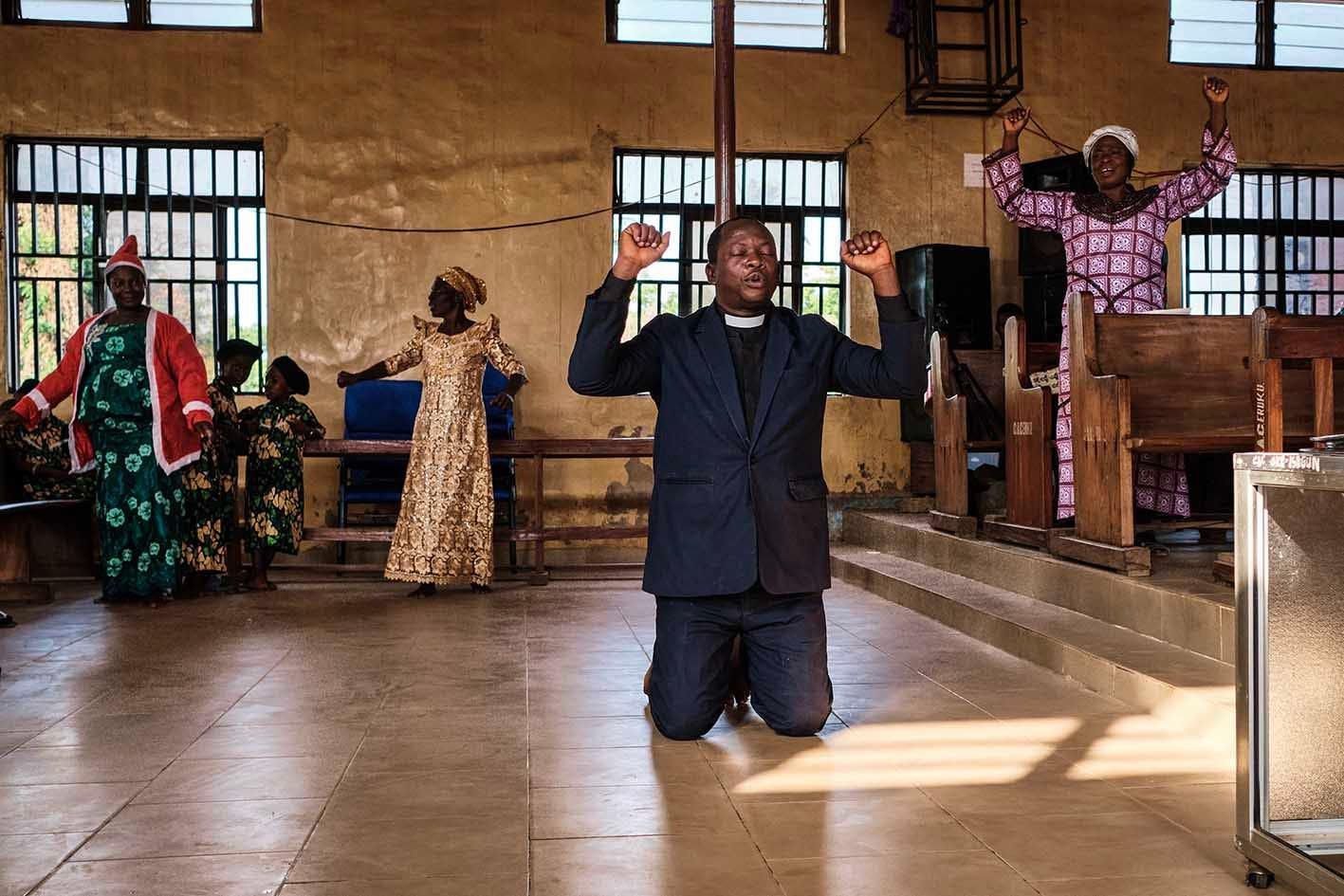
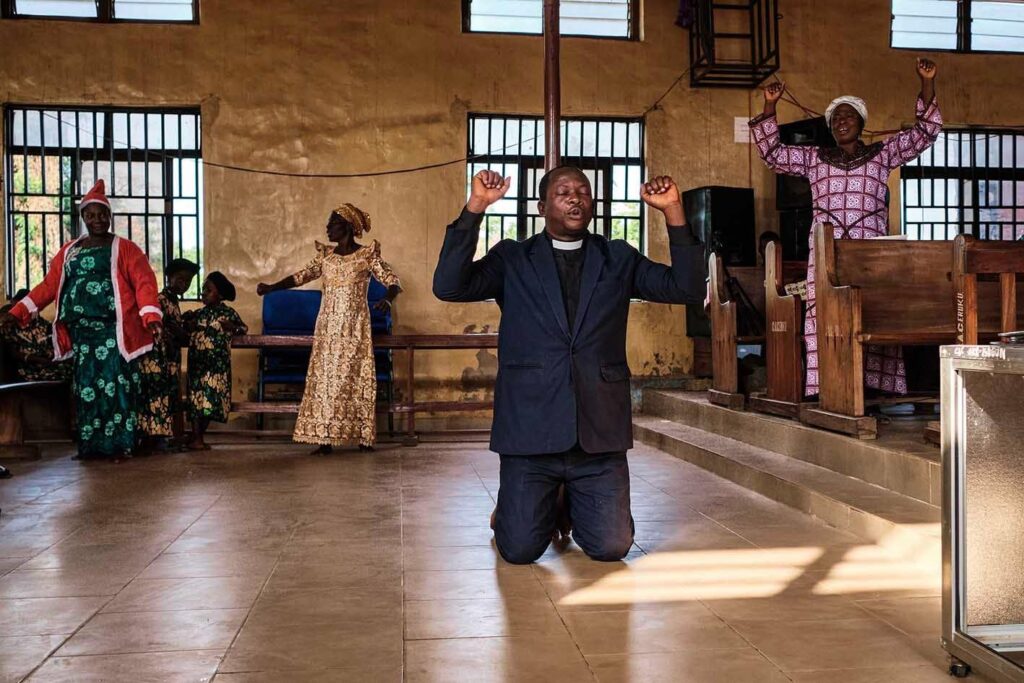
Almighty God, Creator of heaven and earth, we approach Your throne with humility and repentance. Forgive us for choosing leaders according to money, tribe, popularity and human ambition rather than Your righteous principles.
Remember our denominations, pastors, bishops, delegates and Christian politicians. Remove greed, bribery, tribal hatred, immorality and oppression from our churches. Raise leaders who fear You, defend the vulnerable and serve faithfully.
Give delegates courage to vote according to conscience, pastors courage to speak the truth and young people the determination to pursue leadership through character and service. Do not allow Your Church to become a reflection of the world’s corruption. Make us the salt of the earth and the light of the world.
May the next generation inherit a Church stronger in faith and richer in integrity. May Nigeria and Africa experience righteous leadership, and may the name of Jesus Christ be glorified.
In the mighty name of our Lord and Saviour Jesus Christ, we pray.
Amen.
Rev. Prof. John Brown Okwii, the
Serving Pastor, Assemblies of God Church, Hwolshe, Yakubu Gowon Way, Jos, writes via johnbrownokwii@gmail.com