



By CHRISTIAN BISKA
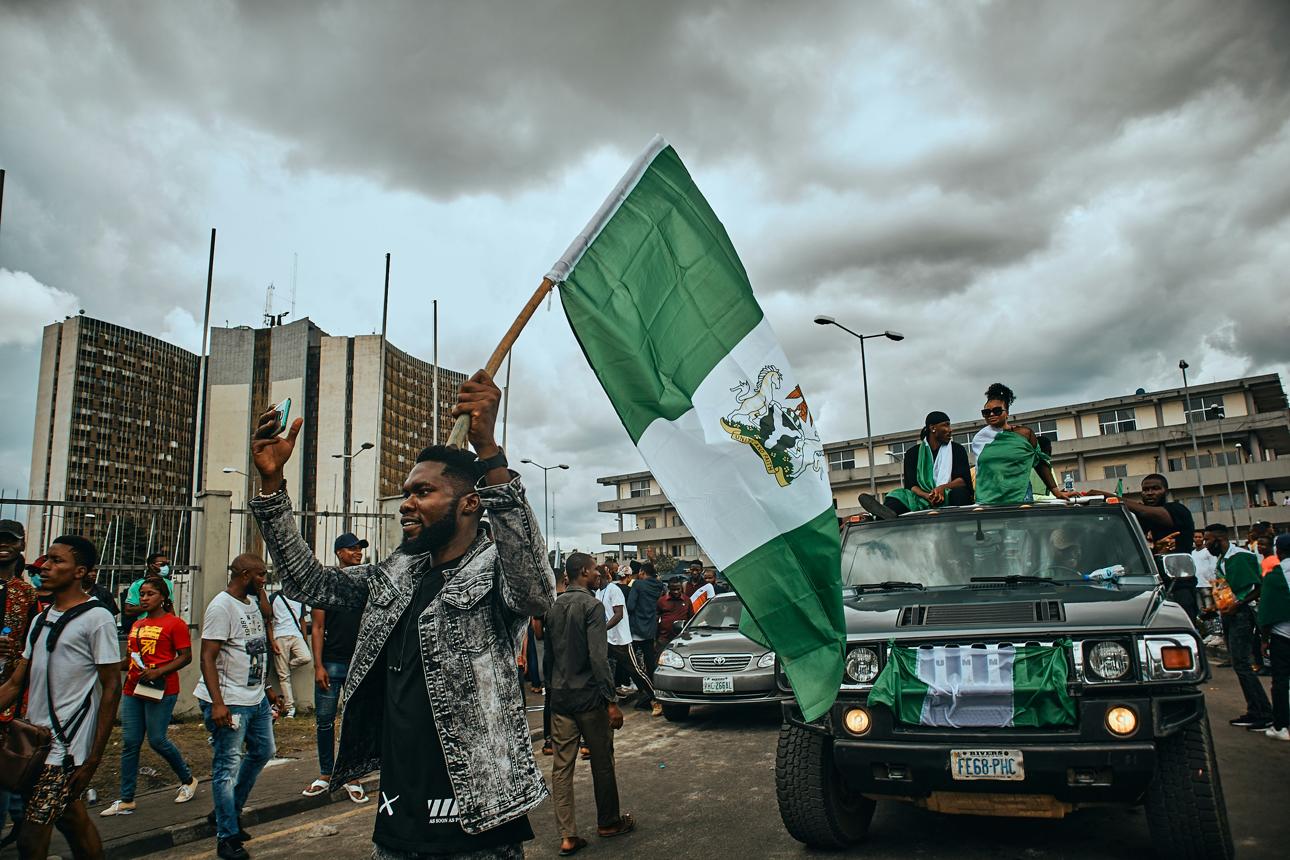
Civil unrest is a dangerous and undesirable phenomenon in any society, with grave consequences for the lives and property of its citizens and inhabitants. It constitutes an impediment to economic growth and development, considering the dangerous trends often associated with such events and their attendant consequences.
However, those who instigate such actions sometimes perceive them as legitimate means of pressing home their demands for essential services and addressing conditions that affect their lives and make existence unbearable.
The civil unrest that began in France, involving students and citizens generally demanding improved education, the provision of essential basic facilities within the educational system and a reduction in certain government tax policies that are pushing citizens into hardship and placing increasing pressure on their purchasing power, has extended beyond France and is now being witnessed in Germany.
A lot is happening in democratic societies across Europe and other parts of the world today as a result of government policies considered detrimental to the welfare and well-being of citizens.
Nigeria is preparing for the 2027 General Elections, during which a new set of leaders will be elected. Some of the current political office holders are seeking re-election, while others are aspiring to occupy public offices for the first time.
Today, there are growing complaints from citizens and opposition political parties in Nigeria, who believe that the current leadership of the country has subjected the people to poverty through its economic policies.
Workers are also making various demands for allowances to cushion the effects of the hardship being experienced across the country. Among the most pressing concerns are the rising costs of food items, transportation and renting apartments or houses in Nigeria.
All of these challenges, coupled with the growing rate of insecurity, have pushed many Nigerians into multidimensional poverty, as reflected in the various demands being made by different labour unions across the country.
In view of the ongoing civil unrest across the globe, particularly in Europe, the Federal Government should learn from the experiences of these countries and begin to implement appropriate policies and programmes aimed at reducing the hardship currently being experienced by its citizens.
This is because the civil unrests taking place in different parts of the world has significant implications for Nigeria’s 2027 General Elections. As citizens in these countries take to the streets to demand good governance and improved living standards, the Federal Government should not turn a blind eye to the developments or behave as though the country is immune to similar occurrences.
As the popular saying goes, “a hungry man is an angry man.” The prevailing high levels of hardship could become catalysts for civil unrest in the country. More importantly, Nigerians are often subservient to politicians, particularly those they perceive as providing financial support for their needs. Such citizens can be influenced to do whatever these politicians demand, including instigating protests or other forms of unrest.
It is therefore incumbent upon the ruling political party to review its economic policies and programmes with a human face, particularly as the country approaches the general elections. Although the Federal Government has introduced policies and programmes aimed at addressing these challenges, the questions remain whether they will be implemented promptly and whether state governments will embrace and implement similar initiatives.
This is because economic hardship does not affect only Federal Government civil servants but the entire country. Now that the Federal Government is considering the implementation of a N70,000 transport allowance for its workers for six months, alongside conditional cash transfers to vulnerable households across the country, such interventions should be designed as broad-based policies that will benefit not only Federal Government workers but also state government employees. This is because every citizen is affected by the prevailing economic situation in the country.
Furthermore, conditional cash transfers should be implemented comprehensively and without any form of sentiment or discrimination so that they are not perceived as an attempt to buy voters’ conscience ahead of the general elections.
The major challenge, however, will be determining the criteria for identifying those considered to be ‘vulnerable’. The exercise should not become another avenue for politicians to favour their relatives, friends, religious associates or people they consider their political supporters at the expense of genuinely deserving citizens.
Due diligence, transparency and accountability should therefore remain the guiding principles in the implementation of the policies the government is currently putting in place. Furthermore, as the country approaches the election year, metro buses and Federal Government CNG buses should be introduced on intra-state routes and at the local government level to cushion the effects of some of these costs on people at the grassroots.
Such an initiative could serve as a dividend of democracy for citizens who may not have the opportunity to benefit from government interventions, either through conditional cash transfers or transport allowances.
Therefore, the Federal Government, ably led by President Tinubu, the Plateau State Governor and other state governments, should learn from the undesirable civil unrest taking place in different countries and take the necessary steps to address the situation. This is particularly important in view of the high cost of living and the general hardship in the country, before citizens decide to take to the streets, as is currently being witnessed in some parts of the world.
This is because civil unrest is detrimental to the economic growth and development of any society. The government must, therefore, demonstrate genuine commitment to improving the living conditions of citizens, as well as ensuring that its policies translate into tangible benefits for the people, particularly as the country approaches the 2027 General Elections.